
 EN
EN
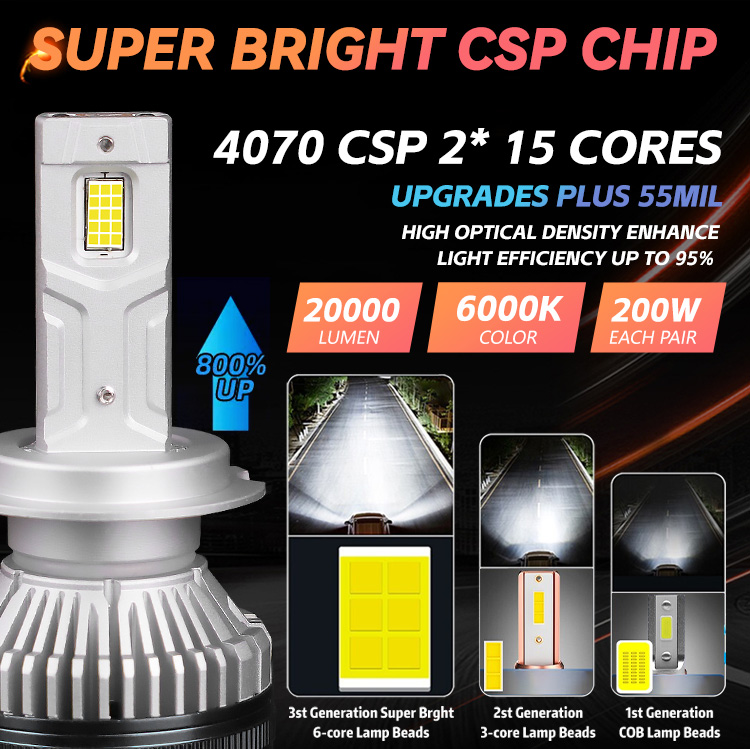
Why Regular Inspection of LED Bulb Headlights Matters
LED bulb headlight technology has become the preferred choice for vehicle owners and fleet operators seeking longer service life and improved road illumination compared to traditional halogen bulbs. However, unlike halogen bulbs that typically fail suddenly and visibly, LED headlights can degrade gradually — losing brightness, shifting color temperature, or developing intermittent flickering that may go unnoticed until visibility is compromised. Knowing how to systematically check whether an LED bulb headlight is functioning normally helps buyers and maintenance teams identify problems early, maintain road safety, and avoid costly traffic violations. This guide covers visual inspection methods, electrical diagnostics, thermal assessment, and beam pattern verification.
Visual Inspection: Brightness, Color, and Uniformity
The first and most straightforward method to assess an LED bulb headlight is a visual inspection conducted in a controlled environment. Park the vehicle facing a flat wall or garage door at a distance of approximately 7.6 meters (25 feet) on level ground. Turn on the low beam and observe the projected light pattern. A properly functioning LED bulb headlight should produce a bright, evenly distributed beam with a sharp horizontal cutoff line. The color should be consistent white, typically in the 6000K to 6500K range for most aftermarket LED bulbs. Signs of abnormality include: uneven brightness across the beam pattern (dark spots or hot spots), a yellowish or bluish tint indicating chip degradation or phosphor wear, visible shadowing caused by misaligned LED chip positioning, and a cutoff line that is tilted, blurred, or higher on one side than the other. If one side appears noticeably dimmer than the other when both headlights are on, the dimmer bulb may be experiencing partial LED chip failure.
Electrical Diagnostics: Voltage, Current, and Polarity Verification
When visual inspection reveals potential issues, electrical diagnostics provide the next level of analysis. Using a digital multimeter, measure the voltage at the headlight connector with the ignition on and headlights switched to low beam. A 12V system should read between 12.0V and 14.4V (engine running), while a 24V system should read between 24.0V and 28.8V. Voltage significantly below these ranges indicates a wiring issue, corroded connector, or faulty relay that can cause the LED bulb headlight to underperform or flicker. Next, check the polarity: LED bulbs are polarity-sensitive, and reversed positive and negative connections will prevent illumination on some bulb models. If the bulb does not light at all, try reversing the connector — if it illuminates after reversal, the vehicle's wiring polarity is opposite to the bulb's expected input. For bulbs with built-in Canbus decoders, verify that the decoder module is not overheating during operation, as excessive heat can cause the internal resistor to fail and trigger intermittent shutdown.
Thermal Assessment: Checking Heat Dissipation Performance
Heat management is one of the most critical factors affecting LED bulb headlight longevity. LED chips generate heat at their junction, and if the thermal path from chip to heat sink is compromised, the bulb will degrade rapidly or fail entirely. After the headlights have been on for at least 15 minutes, carefully approach the rear of the headlight assembly (with the engine off and bulbs cooled enough to touch safely). The heat sink — whether it is an aluminum finned body, a copper braided strap, or an active cooling fan — should be warm but not excessively hot. If the heat sink is too hot to touch, the thermal management system may be failing. For fan-cooled LED bulbs, listen for the fan operation: a silent fan in a bulb that should have an active cooling system indicates fan failure, which will lead to thermal shutdown of the LED chips within minutes. Manufacturers such as Dongguan Red Sea Technology subject their LED bulb headlight products to aging tests during production, running bulbs at full power for extended periods to verify thermal stability and identify units with poor thermal bonding before shipment.
Beam Pattern Verification: Ensuring Legal Compliance and Road Safety
A common misconception is that if an LED bulb headlight is bright, it is functioning correctly. However, brightness without proper beam control can be dangerous and illegal. After any bulb replacement or if visual inspection suggests beam misalignment, perform a beam pattern check. With the vehicle positioned 7.6 meters from a vertical wall on level ground, mark the center of each headlight beam on the wall using tape. The horizontal cutoff line should be level or slightly lower on the right side (in right-hand traffic countries) to avoid blinding oncoming drivers. The beam should not scatter above the cutoff line, and there should be no concentrated hot spots that could indicate incorrect LED chip positioning relative to the reflector or projector lens. If the beam pattern is scattered or the cutoff is absent, the LED bulb's chip layout may not match the headlight housing design — this is a compatibility issue rather than a defect, and the bulb should be replaced with a model specifically designed for the vehicle's housing type.
Case Study: Diagnosing Intermittent Flickering in a Fleet of Refrigerated Trucks
A cold-chain logistics company operating 18 refrigerated trucks noticed intermittent flickering in the LED bulb headlight units installed six months earlier. The flickering occurred primarily during the first five minutes after startup and would sometimes resolve on its own. Visual inspection showed normal brightness when the bulbs were stable. Electrical testing with a multimeter revealed voltage fluctuations between 10.8V and 13.2V at the headlight connector during startup, dropping below the LED driver's minimum operating threshold. The root cause was identified as voltage sag caused by the refrigerator compressor's high inrush current sharing the same electrical circuit as the headlights. The solution involved relocating the headlight power feed to a dedicated circuit protected by a voltage stabilizer module. This case demonstrates that an LED bulb headlight appearing to malfunction may not be defective — the vehicle's electrical environment must be evaluated alongside the bulb itself. For fleet operators sourcing replacement bulbs, manufacturers like Dongguan Red Sea Technology can provide LED bulbs with wider input voltage ranges (9V-36V) that are more tolerant of electrical system fluctuations common in commercial vehicles.
When to Replace vs. When to Troubleshoot Further
Determining whether an LED bulb headlight needs replacement or further troubleshooting depends on the nature of the identified problem. Replace the bulb if: the LED chips show visible dark spots or discoloration (indicating phosphor burnout), multiple LEDs in the array are not illuminating, the bulb has been in service beyond its rated lifespan (typically 30,000 to 50,000 hours), or the base shows signs of melting or corrosion. Troubleshoot further (before replacing) if: the issue is intermittent flickering (check voltage stability and connectors), one beam mode works but not the other (check H4 dual-beam wiring and internal relay), brightness seems low but consistent (check lens clarity and housing condensation), or the issue appeared after recent vehicle servicing (check for disturbed wiring or incorrect bulb seating). Keeping a diagnostic log that records the date, symptoms, test results, and corrective actions for each headlight issue helps fleet managers identify recurring patterns and make informed decisions about bulb brand selection and preventive maintenance scheduling.
Frequently Asked Questions
Q: How long should an LED bulb headlight last before needing replacement?
A: Quality LED headlight bulbs typically have a rated lifespan of 30,000 to 50,000 hours. However, actual service life depends on operating temperature, voltage stability, and installation quality. Bulbs operating in poorly ventilated housings or unstable electrical systems may fail sooner.
Q: Why does my LED bulb headlight work on low beam but not on high beam?
A: This usually indicates an internal connection issue within a dual-beam H4 LED bulb. The high-beam LED array or its driver circuit may have failed. If the bulb is under warranty, contact the supplier for a replacement. If not, the bulb needs to be replaced.
Q: Can condensation inside the headlight housing affect LED bulb performance?
A: Yes. Moisture inside the housing can cause corrosion on the LED bulb's electrical contacts and reduce light output through the lens. If condensation is present, check the housing seals and breathers, dry the interior, and verify the bulb's IP rating is adequate for the operating environment.
Table of Contents
- Why Regular Inspection of LED Bulb Headlights Matters
- Visual Inspection: Brightness, Color, and Uniformity
- Electrical Diagnostics: Voltage, Current, and Polarity Verification
- Thermal Assessment: Checking Heat Dissipation Performance
- Beam Pattern Verification: Ensuring Legal Compliance and Road Safety
- Case Study: Diagnosing Intermittent Flickering in a Fleet of Refrigerated Trucks
- When to Replace vs. When to Troubleshoot Further
- Frequently Asked Questions
