EN
EN
COLLEGAMENTI RAPIDI
Introduzione
La temperatura di colore è uno dei fattori più determinanti per le prestazioni dei fari LED su strada reale, ma è ampiamente fraintesa dagli automobilisti e dagli acquirenti del mercato aftermarket in tutto il mondo. La maggior parte degli utenti presume che valori Kelvin più elevati significhino illuminazione più brillante e migliore, scegliendo acriticamente lampadine bianche fredde da 6500 K per ottenere un aspetto visivo moderno. Tuttavia, nelle effettive condizioni stradali, una temperatura di colore estremamente alta spesso comporta una scarsa penetrazione in condizioni meteorologiche avverse, affaticamento visivo e abbagliamento causato da luce dispersa.
Le tre temperature di colore più diffuse per i fari LED sul mercato sono 4300K (bianco caldo), 6000K (bianco puro) e 6500K (bianco fresco). Ognuna offre effetti illuminotecnici unici e si adatta a scenari di guida differenti. Questa guida, ottimizzata per i motori di ricerca, confronta in modo professionale le prestazioni pratiche di queste temperature di colore in condizioni di cielo sereno, pioggia, nebbia e neve, aiutando gli utenti a scegliere la temperatura di colore ideale per gli spostamenti quotidiani, la guida autostradale e la guida in tutte le condizioni meteorologiche. Illustreremo inoltre come la calibrazione precisa della temperatura di colore di REDSEA risolve i limiti dei fari monocolore, bilanciando perfettamente estetica e funzionalità.
1. Panoramica basilare delle temperature di colore LED: 4300K / 6000K / 6500K
La temperatura di colore (misurata in Kelvin, K) definisce la tonalità della luce emessa dalle lampade LED, determinando direttamente il contrasto stradale, la penetrazione in condizioni meteorologiche avverse e il comfort visivo. A differenza della percezione soggettiva della luminosità, la temperatura di colore calibrata si concentra sull’effettiva fruibilità nella guida, non sul semplice aspetto cromatico della luce.
2. Confronto delle prestazioni su strada reale per scenario
2.1 Guida notturna in condizioni di cielo sereno
6000 K > 6500 K > 4300 K
Su strade urbane e autostradali asciutte e sgombre, la luce bianca pura e quella bianca fresca offrono prestazioni superiori rispetto alla luce bianca calda. La luce bianca pura a 6000 K fornisce una visione simile alla luce diurna naturale, migliorando il riconoscimento dei segnali stradali, delle linee di corsia e degli ostacoli grazie a un contrasto moderato e senza affaticamento visivo durante la guida su lunghe distanze. La luce bianca fresca a 6500 K offre una maggiore luminosità visiva e un aspetto illuminotecnico più premium, mentre la luce a 4300 K appare leggermente meno brillante nella percezione visiva pura a causa della sua tonalità calda.
Le lampadine REDSEA a 6000 K e 6500 K adottano una calibrazione precisa della temperatura di colore, garantendo uniformità cromatica senza deviazioni di colore, migliorando efficacemente la chiarezza stradale in condizioni notturne e ottimizzando l’esperienza visiva complessiva alla guida.
2.2 Condizioni meteorologiche avverse: pioggia, nebbia e neve
4300 K > 6000 K > 6500 K
La penetrazione atmosferica diventa l'indicatore di prestazione principale in condizioni di bassa visibilità. La luce bianco caldo a 4300 K ha onde luminose più lunghe, che possono penetrare efficacemente la nebbia sospesa e le fini particelle di neve presenti nell'aria, riducendo la dispersione luminosa e generando un'illuminazione stradale chiara e concentrata. Ciò evita la visione sfocata causata dalla riflessione della luce sulle superfici stradali bagnate.
Al contrario, la luce bianco freddo a 6500 K, con onde luminose corte e tonalità blu, tende a disperdersi ampiamente nell'aria umida, creando una evidente foschia luminosa e abbagliamento che rende sfumati i contorni stradali e riduce notevolmente la sicurezza di guida. La luce bianco puro a 6000 K offre una penetrazione moderata, rappresentando una soluzione equilibrata per scenari meteorologici misti.
2.3 Comfort visivo nella guida su lunghe distanze
4300 K ≈ 6000 K > 6500 K
L’esposizione prolungata alla luce bianca fresca con elevata componente blu (6500 K) provoca facilmente affaticamento oculare e secchezza, riducendo la concentrazione del conducente. La luce bianca calda morbida (4300 K) e la luce bianca pura naturale (6000 K) presentano tonalità cromatiche delicate, bassa stimolazione della luce blu e alta tolleranza visiva, consentendo al conducente di mantenere una sensibilità visiva stabile durante lunghe sessioni di guida notturna.
3. Punti di forza e di debolezza principali di ciascuna temperatura di colore
|
Temperatura del colore |
Vantaggi principali |
Principali limitazioni |
Migliori scenari applicativi |
|
bianco caldo 4300 K |
Eccellente penetrazione in pioggia, nebbia e neve; massimo comfort visivo; basso affaticamento oculare; adattabilità stabile in tutte le condizioni meteorologiche |
Luminosità visiva leggermente inferiore nelle notti limpide; tonalità luminosa meno moderna |
Zone con frequente presenza di pioggia o nebbia; guida quotidiana in ogni condizione meteorologica; utenti che danno priorità alla sicurezza |
|
bianco puro 6000 K |
Equilibrio ottimale tra luminosità e penetrazione; tonalità simile alla luce diurna naturale; assenza di distorsioni visive; adatto a tutti gli scenari |
Nessun vantaggio estremo in condizioni meteorologiche particolarmente avverse né in notti eccezionalmente limpide |
Commuting quotidiano diffuso a livello globale; guida mista urbana e autostradale; opzione più versatile |
|
6500 K Bianco fresco |
Luminosità visiva ultra-elevata, tonalità bianca fresca e pulita, texture premium per l'illuminazione esterna |
Scarsa penetrazione in condizioni meteorologiche avverse, elevata stimolazione della luce blu, facile affaticamento oculare |
Zone asciutte e limpide, utenti che privilegiano l'estetica, guida notturna su strade libere |
4. Quale temperatura di colore è la scelta migliore?
Non esiste una temperatura di colore universalmente ottimale: la scelta ideale dipende dal clima locale, dalle condizioni stradali e dalle abitudini personali di guida.
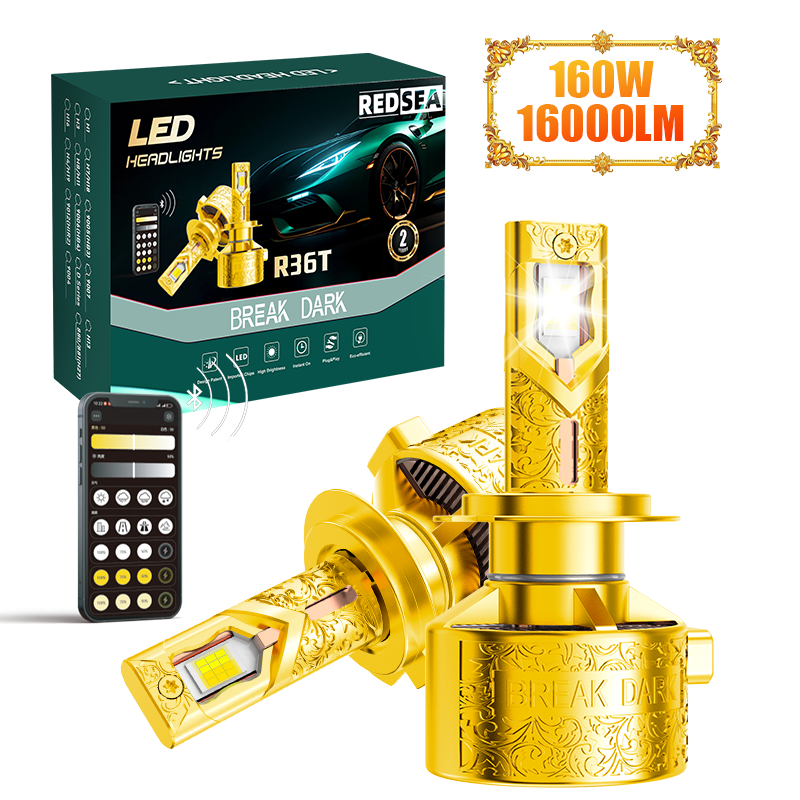
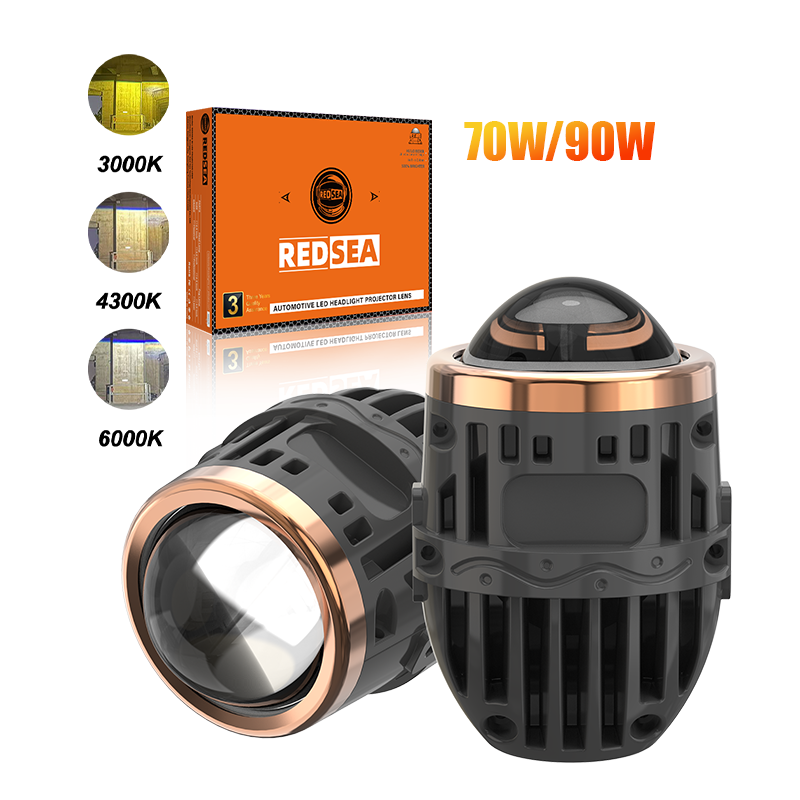
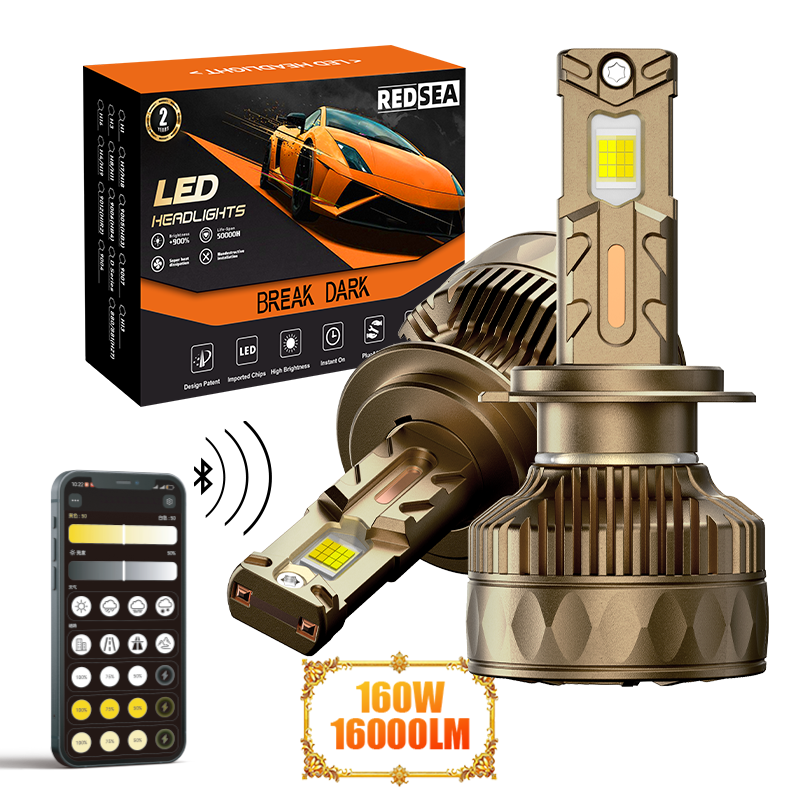
La maggior parte delle lampadine LED convenzionali presenta una temperatura di colore fissa, singola o doppia, costringendo gli utenti a un compromesso tra penetrazione in condizioni meteorologiche avverse e estetica visiva. Per risolvere questo dilemma universale di aggiornamento, REDSEA lancia modelli intelligenti a tre temperature di colore: R11 e R36T. Queste lampadine premium supportano la regolazione completa della temperatura di colore tramite app per smartphone, coprendo 4300 K (bianco caldo), 6000 K (bianco puro) e 6500 K (bianco fresco) in un’unica soluzione integrata. Gli utenti possono passare liberamente da una tonalità all’altra e personalizzare la luce ideale in base alle condizioni meteorologiche in tempo reale, allo stato della strada e alle proprie preferenze personali, ottenendo un’illuminazione intelligente veramente adattiva al contesto. Per chi preferisce una temperatura di colore fissa, REDSEA offre inoltre modelli monocolore disponibili nelle opzioni 4300 K e 6000 K.
5. Soluzione ottimizzata della temperatura di colore REDSEA
Basati sulle esigenze di guida in tutti gli scenari degli utenti globali, le lampadine LED intelligenti REDSEA R11 e R36T adottano una calibrazione precisa della temperatura di colore su tre livelli e la tecnologia di controllo intelligente tramite APP, integrando la forte penetrazione della luce bianca calda a 4300 K, le prestazioni universali bilanciate della luce bianca pura a 6000 K e la luminosità ad alta definizione della luce bianca fredda a 6500 K. Il design regolabile consente un’adattabilità flessibile a più scenari con una singola lampadina, risolvendo il collo di bottiglia prestazionale delle lampadine monocolore fisse.
Conclusione
le temperature di colore 4300 K, 6000 K e 6500 K presentano ciascuna vantaggi unici e specifiche applicazioni. La temperatura di 4300 K offre la massima penetrazione in condizioni meteorologiche avverse e il miglior comfort visivo; quella di 6000 K rappresenta l’opzione universale più equilibrata per la guida quotidiana; infine, 6500 K garantisce eccellente luminosità nelle notti limpide e prestazioni estetiche superiori. Ricercare ciecamente temperature di colore estremamente elevate compromette la sicurezza alla guida in condizioni meteorologiche complesse.
Le lampadine LED intelligenti a tre temperature di colore REDSEA R11 e R36T superano completamente i limiti prestazionali delle comuni lampadine a temperatura fissa. Grazie a una calibrazione ottica precisa, a una configurazione hardware stabile e a un design regolabile tramite app intelligente, consentono una transizione fluida tra illuminazione professionale per penetrazione, illuminazione bilanciata per uso quotidiano e illuminazione estetica ad alta definizione. Questa soluzione intelligente di aggiornamento si adatta perfettamente ai diversi climi e alle varie condizioni stradali globali, offrendo agli utenti esperienze di illuminazione automobilistica più sicure, confortevoli e altamente personalizzabili.
 Notizie in primo piano
2026-09-16
2026-09-15
2026-09-11

Dongguan Red Sea Technology Development Co., Ltd. fornisce fari LED per auto di alta qualità, lenti BI-LED e laser per marchi automobilistici globali. Esperienza OEM/ODM da oltre 15 anni, controllo qualità rigoroso, oltre 2000 distributori. Contattaci oggi stesso!
Room 501, Building 1, No. 8 Chuangyi East Road, Daojiao Town, Dongguan City, Guangdong Province,523000
Copyright © 2026 by Dongguan Red Sea Technology Development Co., Ltd. Informativa sulla privacy