EN
EN
Quick Links
Introduction
A modern automotive lighting system is far more than simple headlights and taillights. It is a highly integrated, multi-functional optical and electronic ecosystem that combines precision light sources, professional optical structures, intelligent drive modules, and protective hardware. Unlike traditional outdated lighting setups focused only on basic illumination, modern vehicle lighting balances driving visibility, road communication, practical usability, and vehicle aesthetics.
For car owners, automotive enthusiasts, and global aftermarket buyers, understanding the core components of a modern lighting system helps clarify upgrade logic, avoid matching errors, and select high-performance lighting solutions. Premium LED bulbs cannot deliver full potential without matching standardized system components.
This SEO-oriented professional guide systematically breaks down every core component of modern automotive lighting systems, elaborates on their independent functions and collaborative working logic, analyzes mainstream upgrade pain points, and explains how REDSEA’s full-set optimized lighting components create safer, brighter, and more durable vehicle lighting performance.
Core Classification of Modern Automotive Lighting Systems
Modern automotive lighting systems are scientifically divided into three major modules according to functional scenarios: exterior illumination lights, exterior signal lights, and interior ambient lights. All components coordinate with each other to undertake night lighting, traffic signal warning, and interior auxiliary lighting tasks.
1.Exterior Illumination Components (Core Driving Lighting)
As the most critical part of vehicle safety lighting, exterior illumination components are responsible for road lighting in dark and low-visibility environments, directly determining night driving safety.
Headlight Assembly (Low Beam & High Beam)
The headlight assembly is the core of the entire automotive lighting system, composed of light sources, optical lenses, reflectors, and sealed lamp housings. Low beams focus on uniform near-road paving with standard anti-glare cut-off lines to avoid dazzling oncoming traffic; high beams feature concentrated light beams and ultra-long penetration for long-distance road preview, adapting to highway and suburban night driving.
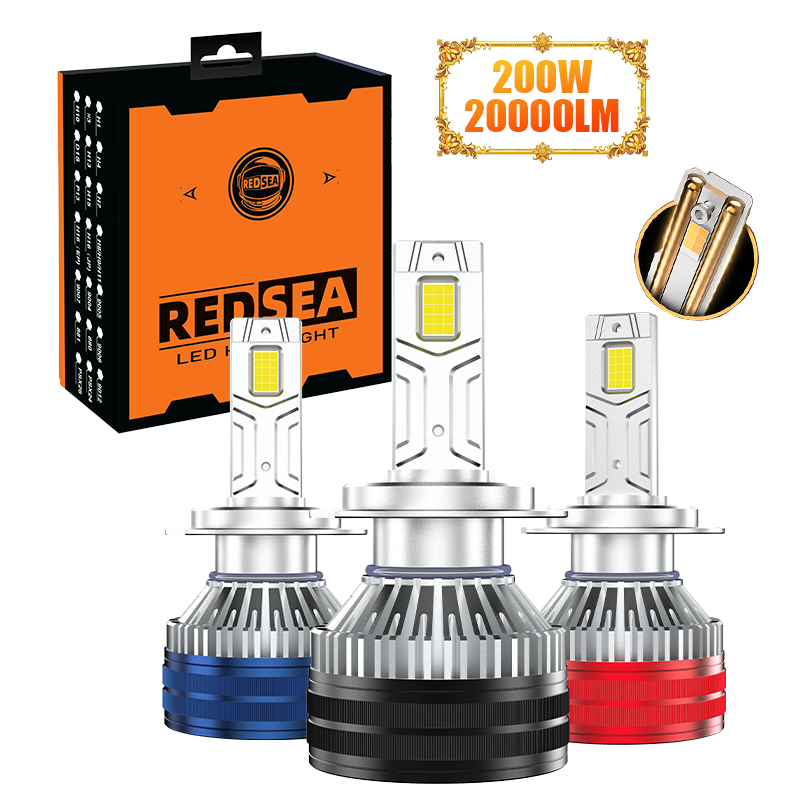
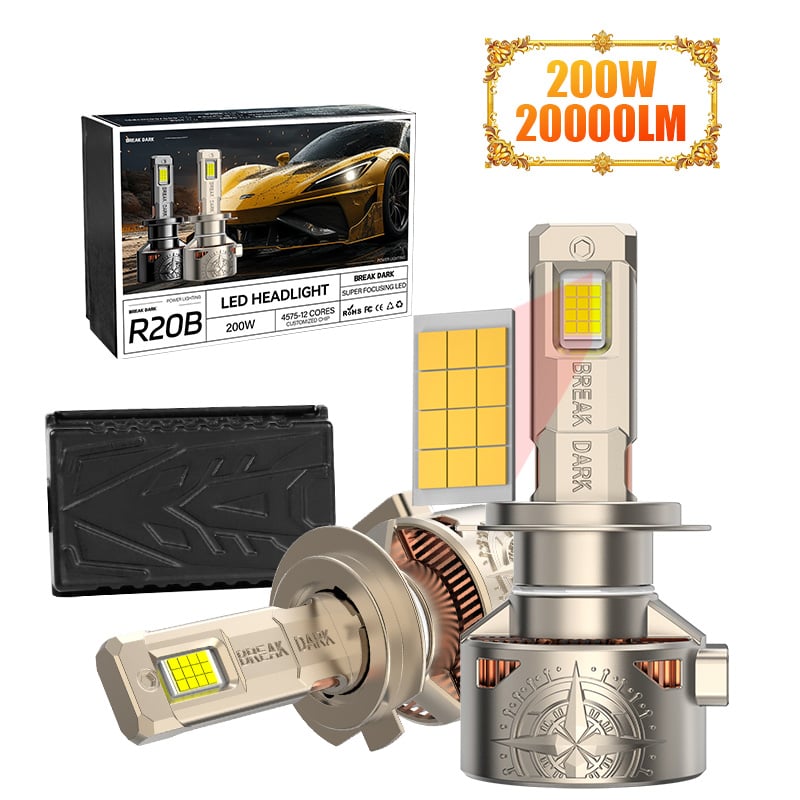
Traditional halogen and HID light sources suffer from high heat, high power consumption, and severe light decay. Modern upgraded automotive-grade LED bulbs represented by REDSEA feature low heat generation, low power consumption, 50,000-hour ultra-long lifespan, and precision optical calibration. These well-calibrated bulbs match standard headlight assembly parameters to restore stable beam patterns and improve night visibility comprehensively.
Fog Lights (Front & Rear)
Front and rear fog lights are specialized adaptive lighting components for harsh weather such as fog, rain, snow, and dust. They adopt wide-angle, low-position light distribution design with strong penetration, effectively penetrating turbid air to illuminate road outlines and vehicle boundaries, reducing traffic accident risks in low-visibility scenarios.
Daytime Running Lights (DRL)
Daytime running lights are essential safety lighting for modern vehicles. They automatically turn on after vehicle startup, improving vehicle recognition for pedestrians and oncoming cars in bright daylight, effectively avoiding daytime traffic collisions and enhancing active driving safety.
License Plate Lights & Parking Lights
These auxiliary illumination components ensure clear visibility of vehicle license plates at night and mark vehicle parking outlines, meeting daily road use requirements and solving nighttime identification and parking safety problems.
2. Exterior Signal Lighting Components (Traffic Communication Core)
Signal lights are the "communication language" between vehicles and road users, transmitting driving intentions in real time to standardize traffic order and avoid misunderstanding conflicts. Each component has independent standardized functions and working logic.
Turn Signal Lights
Turn signals transmit steering and lane-changing intentions through regular flashing light, reminding surrounding vehicles and pedestrians to avoid risks. Modern mainstream LED turn signals feature fast response, high brightness, and long service life, with no delay in light triggering.
Brake Lights & High-Mount Stop Lamp (CHMSL)
Brake lights are the most critical passive safety signal lights. They instantly light up when braking to remind rear vehicles to decelerate and avoid rear-end collisions. The high-mount stop lamp installed at the rear window supplements the brake signal, solving the problem of insufficient signal reminder for large vehicles and low-position taillights.
Rear Taillights & Reverse Lights
Taillights mark vehicle outlines and driving tracks at night; reverse lights automatically turn on when reversing, illuminating rear blind areas and reminding pedestrians and vehicles behind to evacuate, ensuring reversing safety in dark environments.
Hazard Warning Lights
Dual-flash hazard lights integrate turn signal functions, used for emergency parking, temporary road occupation, and fault driving reminders, providing obvious danger warning for surrounding traffic.
3. Interior Lighting Components (Comfort & Auxiliary Safety)
Modern automotive interior lighting focuses on driving auxiliary safety and riding comfort, gradually upgrading from single lighting to intelligent ambient lighting systems.
Interior Dome Lights & Reading Lights
Dome lights provide overall interior lighting for vehicle entry and exit and night parking; independent reading lights for main and auxiliary drivers provide local soft lighting, meeting the needs of in-car viewing and operation without affecting driving sightlines.
Multi-Color Ambient Lights
As a representative configuration of modern intelligent lighting, ambient lights support multi-color switching and brightness adjustment, optimizing interior riding atmosphere while reducing visual fatigue during long-distance night driving.
Instrument & Button Backlight Lights
Precision backlight components ensure clear recognition of instrument data and functional buttons in dark environments, improving driving operation accuracy and safety.
4. Hidden Core Electronic & Optical Components (Determine Lighting Quality)
Most users only focus on visible light sources but ignore the internal core components that determine lighting stability, beam accuracy, and service life. These hidden structures are the key differences between high-end modern lighting systems and ordinary traditional systems.
Precision Optical Lens & Reflector
Optical lenses and concave reflectors are the beam-shaping core of the lighting system. Professional high-transmittance polycarbonate lenses and calibrated reflectors accurately refract and reflect light, forming standard cut-off lines and uniform road illumination. Inferior optical components cause stray light, glare, and uneven light distribution, ruining driving safety.
Intelligent Constant-Current Drive Module
The drive module is the "brain" of modern LED lighting systems. It stabilizes vehicle voltage fluctuations, realizes constant-current power supply, avoids bulb flicker and light decay, and supports CANBUS decoding to eliminate vehicle error codes. REDSEA’s built-in intelligent drive system adapts to global vehicle circuit systems, ensuring long-term stable operation of lighting components.
Heat Dissipation Structural Components
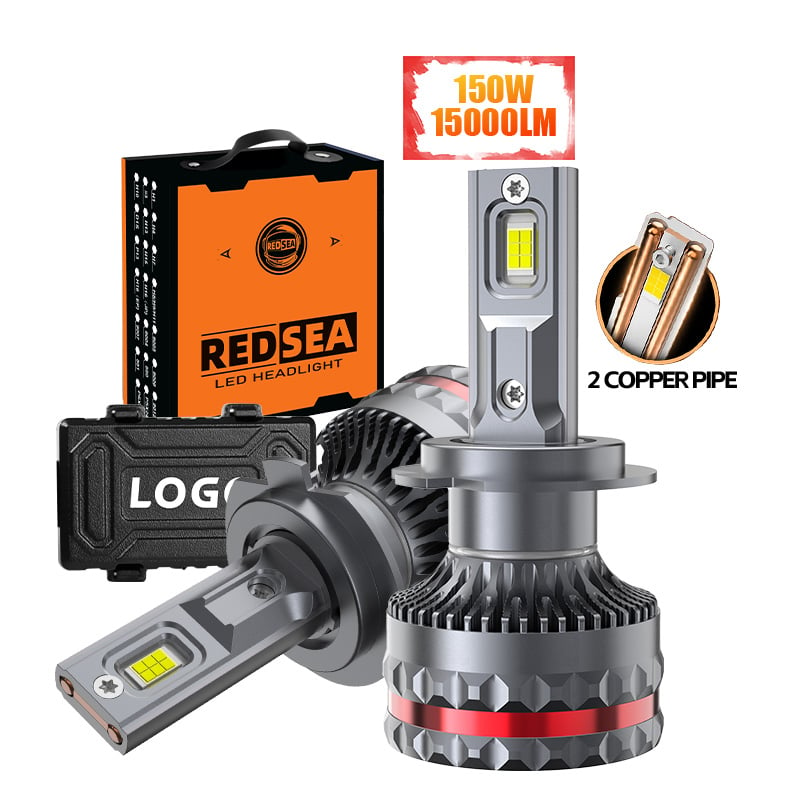
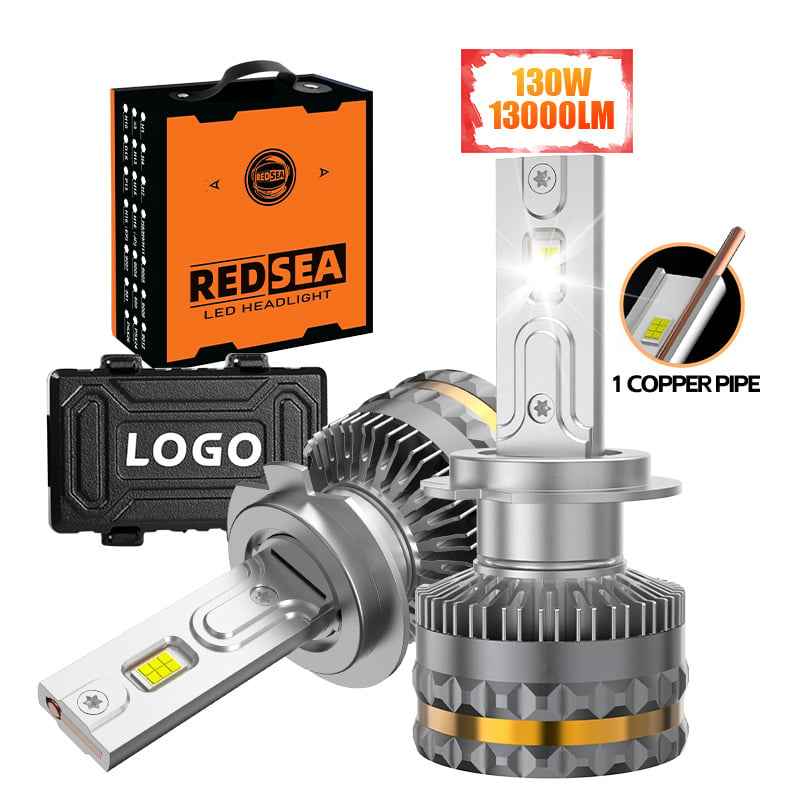
Heat dissipation is the core guarantee for long-life operation of LED lighting. Adopting the professional combination of multi-copper tubes, aluminum heat sinks and cooling fans, the system efficiently exports working heat, avoids high-temperature chip aging, and extends the overall service life of the lighting system.
Sealed Protective Structure
IP68-level waterproof and dustproof sealing structure adopts materials with natural UV resistance, which can isolate rain, snow, dust, and ultraviolet erosion, preventing lamp fogging, lens yellowing, and internal component corrosion, adapting to all-weather complex driving environments.
Common Upgrade Pain Points of Traditional Lighting Systems
Many old vehicles retain traditional halogen lighting systems, with obvious drawbacks in component matching and performance:
Why REDSEA Optimizes Modern Automotive Full Lighting System
As a professional manufacturer focusing on automotive lighting R&D and manufacturing, REDSEA deeply optimizes every core component of modern automotive lighting systems, solving the pain points of insufficient brightness, unstable performance, and easy aging of traditional lighting systems, and creating upgraded lighting solutions for global vehicles.
REDSEA does not only upgrade vehicle lighting brightness, but also systematically optimize the safety, stability, and durability of the entire automotive lighting system, matching the performance standards of modern new energy and fuel vehicles.
Conclusion
A modern automotive lighting system is a complete ecological system composed of exterior illumination, signal lights, interior lights, and hidden optical and electronic components. Each module undertakes independent safety functions and cooperates with each other to build a multi-dimensional night driving safety barrier.
Basic light source replacement can hardly release the full potential of vehicle lighting performance. Only systematic component optimization and high-standard matching can achieve comprehensive and effective lighting upgrades. Choose REDSEA’s full-set modern automotive lighting solutions to enjoy high-brightness, zero-glare, long-life lighting effects, comprehensively upgrading vehicle safety and riding experience.
 Hot News
Dongguan Red Sea Technology Development Co., Ltd. provides premium LED car headlights, BI-LED & laser lenses for global automotive brands. 15+ years OEM/ODM expertise, strict QC, 2000+ distributors. Contact us today!
Room 501, Building 1, No. 8 Chuangyi East Road, Daojiao Town, Dongguan City, Guangdong Province,523000
Copyright © 2026 by Dongguan Red Sea Technology Development Co., Ltd. Privacy Policy