Úvod
Pokud jste někdy nakupovali doplňkové automobilové osvětlení, určitě jste na téměř každé stránce produktu viděli stejný odvážný reklamní slogan: „Ultra dlouhá životnost 50 000 hodin“ pro LED světlomety. Ve srovnání s halogenovými žárovkami, jejichž životnost činí pouze 500–1 000 hodin, a HID světlomety s průměrnou životností 8 000–15 000 hodin, se životnost 50 000 hodin jeví jako trvalé, bezúdržbové vylepšení pro jakýkoli vozidlo. Pro většinu autovlastníků to znamená žádné časté výměny žárovek, nižší dlouhodobé náklady na údržbu a stálé spolehlivé noční osvětlení.
Existuje však klíčová otázka, kterou většina kupujících přehlíží: Skutečně LED světlomety vydrží 50 000 hodin za reálných podmínek jízdy? Mnoho uživatelů uvádí, že jejich LED světlomety začínají během 1–2 let zeslabovat, žlutnout nebo ztrácet průnikovou schopnost – a to mnohem dříve, než udává zaručená životnost. Obrovský rozdíl mezi oficiálními údaji z laboratorních testů a skutečným výkonem na silnici mate bezpočet autovlastníků a odborníků z celého světa.
V tomto podrobném průvodci SEO rozkládáme pravdu za tvrzením o životnosti LED světel 50 000 hodin, vysvětlujeme klíčové rozdíly mezi laboratorními testy a skutečnými podmínkami jízdy, odhalujeme hlavní faktory zkracující životnost LED světlometů a sdílíme, jak vybrat opravdu trvanlivé LED světlomety, které poskytují konzistentní výkon po mnoho let.
Co vlastně znamená hodnocení životnosti 50 000 hodin?
Za prvé je nezbytné upřesnit průmyslovou definici hranice životnosti 50 000 hodin. Hodnocení 50 000 hodin představuje údaje z laboratorních testů, nikoli údaje z reálného provozu. Odkazuje na maximální životnost LED čipů za podmínek stálé teploty, stabilního napětí, ideálního odvádění tepla a nepřetržitého provozu za nízké zátěže.
V souladu s mezinárodními osvětlovacími standardy LM-80 udává hodnota 50 000 hodin dobu, za kterou se jas LED čipu sníží na 70 % původní jasnosti (životnost L70). Jednoduše řečeno: po 50 000 hodinách ideálního provozu bude LED stále svítit, avšak její jas klesne na 70 % původního výstupu a již nebude splňovat tovární standardy pro noční jízdu.
Většina výrobců uvádí v popisech výrobků pouze teoretickou maximální životnost, aniž by vysvětlovala přísné ideální podmínky nutné k jejímu dosažení. Tato marketingová technika vede uživatele k mylné představě, že všechny LED žárovky mohou v běžné jízdě snadno dosáhnout životnosti 50 000 hodin.
Proč je skutečná životnost LED v praxi mnohem kratší než 50 000 hodin
Kontrolované laboratorní prostředí eliminuje veškeré vnější rušení, které urychluje stárnutí LED. Ve skutečnosti jsou provozní podmínky vozidel však extrémně náročné a proměnlivé. Několik nevyhnutelných faktorů výrazně zkracuje praktickou životnost běžných LED světlometů, což vede k výraznému úbytku světla během 1–3 let.
1. Extrémní kolísání provozní teploty
Laboratorní testy udržují konstantní pokojovou teplotu pro provoz LED, zatímco LED světlomety vozidel jsou po celý rok vystaveny extrémním teplotním změnám. V horkém letním prostředí může uzavřená komora světlometu po delším jízdě dosáhnout teploty 80 °C až 120 °C. V chladných zimních oblastech jsou žárovky vystaveny mrazivým teplotám pod -20 °C. Časté střídání teplých a chladných cyklů způsobuje tepelné roztažení a smrštění LED čipů, fosforových vrstev a vnitřních konstrukčních materiálů, čímž se urychluje nevratné stárnutí a úbytek světla.
2. Nadměrná teplota přechodu a nedostatečné odvod tepla na vozidle
Teplo je největším nepřítelem automobilových LED světel. Profesionální laboratorní testování využívá aktivní a stabilní systémy odvodů tepla, zatímco většina běžných LED žárovek pro potřeby aftermarket je vybavena zjednodušenými strukturami odvodu tepla: tenkými hliníkovými podložkami, chladiči s nízkou účinností a stárnutím teplovodivé pasty. Při intenzivním nočním jízdě a jízdě na dálnici se teplo rychle hromadí a není včas odváděno.
Teplota přechodu přehřátého čipu daleko přesahuje bezpečnou provozní mez, čímž se spouští průběžné snižování světelného výkonu (luminiscence). To je hlavní důvod, proč většina levných LED žárovek nedosáhne uváděné životnosti 50 000 hodin a ve skutečném provozu rychle zeslabují jas.
3. Nestabilní napětí a proud v vozidle
Laboratorní zdroj napájení udržuje konstantní proud a konstantní napětí bez jakýchkoli kolísání. Naopak napájecí systémy vozidel vyvolávají časté napěťové špičky při startování motoru, zrychlování, zpomalování a volnoběhu. Nízkokvalitní řadiče LED bez inteligentní stabilizace nedokáží tyto kolísání filtrovat, což způsobuje trvalý proudový náraz na LED čipy. Toto jemné elektrické poškození se postupně hromadí a snižuje svítivý výkon i celkovou životnost.
4. Návrh přetěžovacího čipu pro vyšší prodejní jas
Aby přilákaly zákazníky nápadnými údaji o jasnosti, většina levných značek používá návrh přetížení (overdrive), který nutí LED čipy pracovat nad jejich jmenovitým proudem. Toto řešení dosahuje na počátku ultra-vysokého světelného toku (luminance), avšak zároveň čipy závažně přetěžuje. Dlouhodobý provoz v režimu přetížení generuje nadměrné teplo, což exponenciálně urychluje stárnutí. Takové výrobky obvykle trpí výrazným zeslabením jasu během 6 až 12 měsíců a zcela selhávají splnit standard 50 000 hodin.
5. Složité erozní účinky vnějšího prostředí
Laboratorní testy chrání LED před vnější erozí, zatímco reflektory používané na silnicích jsou po celý rok vystaveny UV záření, dešti, sněhu, prachu a vlhkosti. Špatně utěsněné LED žárovky umožňují pronikání vlhkosti a jemného prachu do dutiny světlomety, což způsobuje zamžení čočky, oxidaci luminoforové vrstvy a korozi vnitřních komponentů. Tyto vnější poškození dále urychlují úbytek výkonu a zkracují životnost výrobku.
Jak dlouho skutečně LED reflektory vydrží v reálném provozu?
Na základě skutečných zpětných vazeb uživatelů a průmyslových praktických testů jsme shrnuli skutečnou životnost automobilových LED světlometů různých kvalitních tříd pro globální referenci:
Nízkokvalitní levné LED žárovky: 5 000–10 000 hodin. Výrazné zeslabení světla nastává během prvního roku, přičemž dochází k patrnému žlutnutí a stmívání; většina z nich ztrácí účinný osvětlovací výkon do dvou let.
LED žárovky střední kvality: 15 000–25 000 hodin. Stabilní výkon v prvních jednom až dvou letech, postupné snižování jasu ve třetím roce a snížená průniková schopnost v noci.
Premium LED žárovky vysočí kvality: 40 000–50 000+ hodin. Díky profesionálnímu tepelnému managementu a stabilním řídicím systémům mohou tyto produkty v reálném provozu dosáhnout téměř stejných hodnot životnosti jako v laboratorních podmínkách, přičemž udržují dlouhodobě stabilní jas i barevnou teplotu.
Stručně řečeno, pouze LED světlomety s vysokými specifikacemi a důkladným technickým návrhem skutečně dosahují životnosti 50 000 hodin; běžné produkty určené pro hromadný trh tohoto standardu v reálních podmínkách provozu nedosahují.
Klíčové vlastnosti originálních LED světlometů s dlouhou životností 50 000 hodin
Aby si kupující mohli vyhnout falešnému reklamnímu tvrzení a vybrat skutečně trvanlivé LED světlomety, jsme shrnuli základní konfigurace, které skutečně umožňují životnost 50 000 hodin:
Automobilové čipy s nízkým úbytkem výkonu: Používají standardně hodnocené čipy bez přetížení, přesně omezují provozní proud za účelem snížení tepelných ztrát a zajišťují nízký úbytek světelného výkonu po celou dobu provozu.
Plně účinný systém odvádění tepla: Integrovaný zesílený hliníkový chladič, vysokorychlostní tichý chladicí ventilátor a vysoce kvalitní teplovodivá pasta udržují teplotu čipu v bezpečném rozmezí i při provozu za vysoké zátěže.
Inteligentní stabilizátor proudu se stálým proudem: Vyhlazuje napěťové kolísání vozidla, eliminuje poškození způsobené proudovými špičkami a zajišťuje stabilní výstupní výkon pro dlouhodobou ochranu čipů.
Úplně utěsnená a odolná vůči UV záření konstrukce: Vodotěsný a prachotěsný design na úrovni IP68 s čočkou odolnou proti UV záření a fosforovými materiály odolnými vůči vysokým teplotám, které odolávají vnějšímu poškození a stárnutí materiálů.
Proč mají LED světlomety REDSEA skutečnou životnost 50 000 hodin
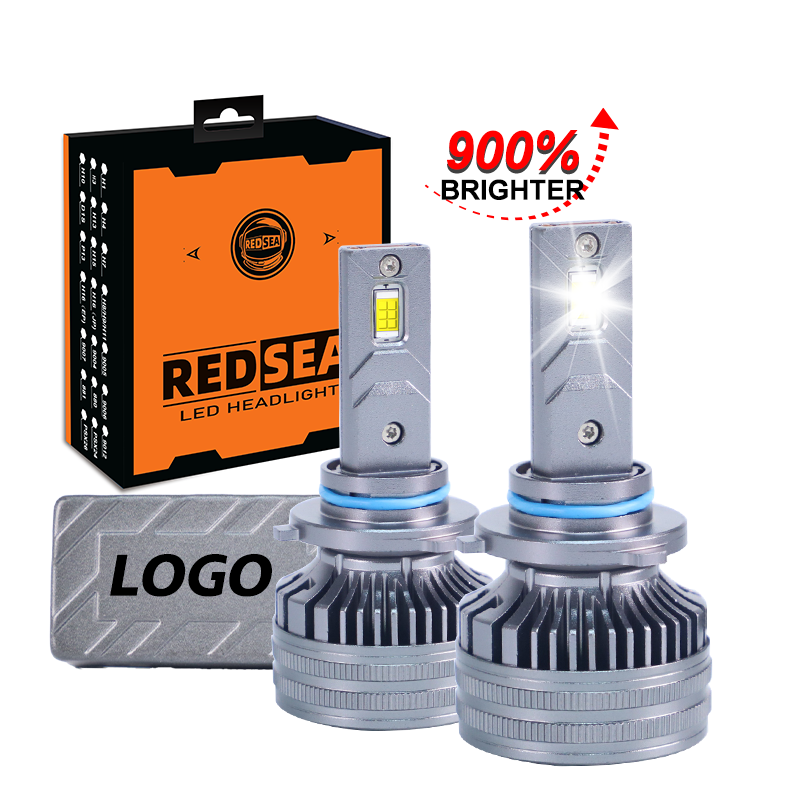
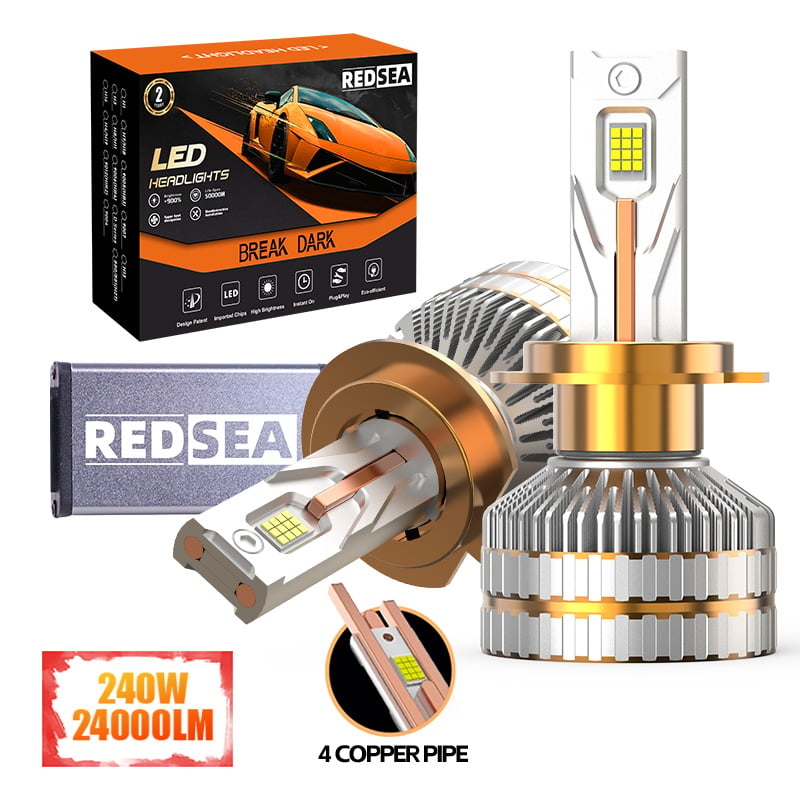
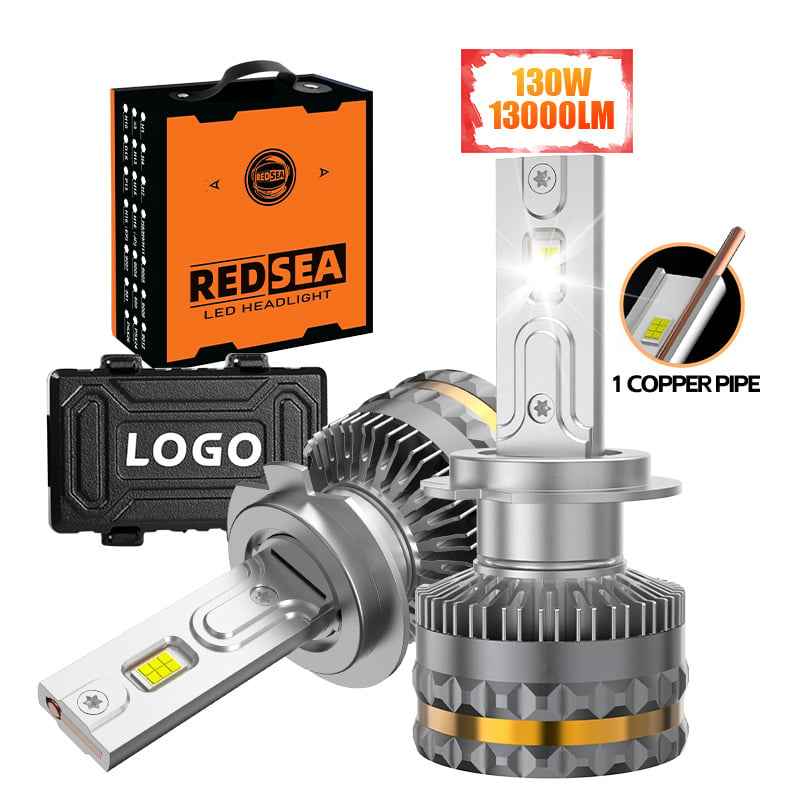
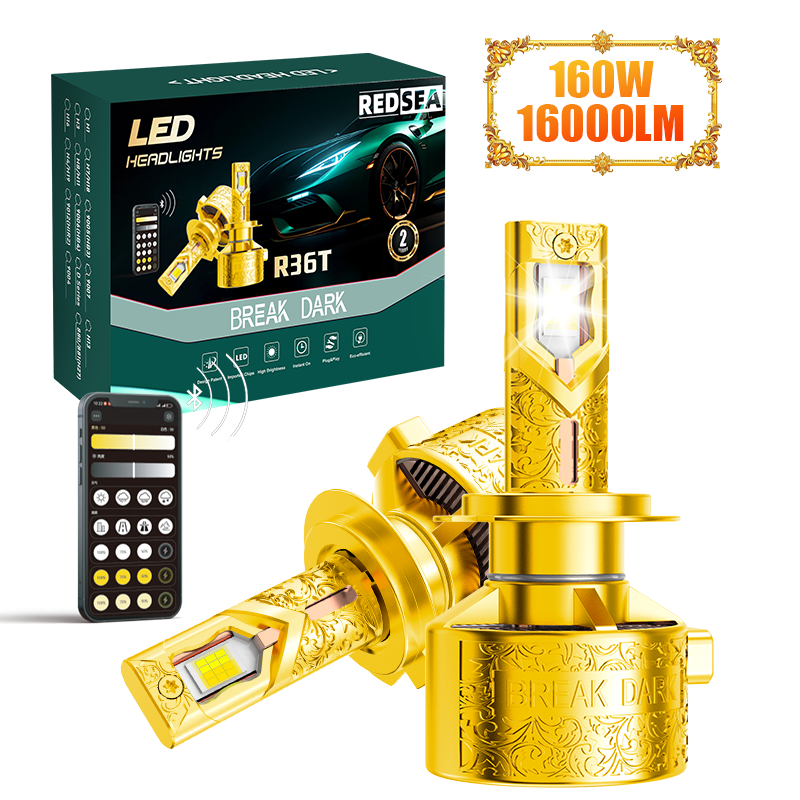
Většina LED značek pro potřeby posledního montážního trhu uvádí životnost 50 000 hodin pouze na papíře, zatímco REDSEA se zaměřuje na skutečně trvanlivý výkon v reálných podmínkách. Jako profesionální výrobce automobilového LED osvětlení řešíme průmyslové problémy spojené s falešnou deklarovanou životností prostřednictvím optimalizovaného návrhu v celém výrobním procesu, čímž je možné dosáhnout laboratorně ověřené dlouhé životnosti i v reálných jízdách.
Skutečná kalibrace čipů podle standardu: REDSEA se vzdává triků s přetížením. Všechny čipy jsou kalibrovány na jmenovitý výkon, což zajišťuje nízké tepelné zatížení a extrémně nízký pokles světelného výkonu; po dlouhodobém provozu zůstává úroveň zachování jasu vyšší než 95 %.
Průmyslově vedoucí tepelné řízení: Vylepšená integrovaná struktura pro odvod tepla z litinového hliníku a dvojité vysoce účinné řešení odvodu tepla umožňují rychlé odvádění tepla a efektivně předcházejí stárnutí způsobenému vysokou teplotou a zkrácení životnosti.
Chytrý pohonný systém proti kolísání napětí: Vestavěný inteligentní dekódovací proudový stabilizátor automaticky přizpůsobuje výkon rozdílům napětí v různých vozidlech po celém světě i složitým podmínkám na silnicích, čímž brání elektrickému stárnutí způsobenému nestabilním napájením.
Přísné testování životnosti stárnutím: Všechny produkty REDSEA procházejí 24hodinovým nepřetržitým testem stárnutí při svícení, testy cyklického vystavení vysokým a nízkým teplotám a vibracím, čímž je potvrzena skutečná trvanlivost 50 000 hodin.
Na rozdíl od nižších produktů s falešně uvedenou životností LED světlomety REDSEA poskytují po mnoho let konstantní jas, čistou barvovou teplotu a stabilní průnikovou schopnost, čímž umožňují skutečné dlouhodobé bezúdržbové použití. Nabízíme oficiální záruku na 2 roky a globální profesionální služby po prodeji, díky čemuž si každý zákazník může bez obav zakoupit nebo upgradovat své světlomety.
Závěr
Životnost LED světlometů 50 000 hodin není zcela nepravdivým tvrzením, ale je dosažitelná pouze u vysoce kvalitních produktů, které jsou profesionálně navržené. Nižší LED žárovky spoléhají na přetížení a falešné označování, aby přehnaně propagovaly údaje o životnosti, avšak tyto údaje nevydrží zkoušku reálných, složitých podmínek jízdy, což vede k rychlému zeslabení jasu a stárnutí.
Pokud usilujete o dlouhodobě stabilní výkon nočního osvětlení a opravdu chcete vyhnout se časté výměně žárovek, je výběr cenově výhodných originálních LED reflektorů REDSEA s dlouhou životností nejspolehlivějším řešením. Zbavte se zavádějícího marketingu týkajícího se životnosti a užívejte si více než 50 000 hodin bezpečného nočního jízdního komfortu na úrovni denního světla.

 EN
EN
 Nejnovější zprávy