
 EN
EN
Understanding Real-World Driving Needs (Experience)
From practical experience working with automotive lighting upgrades, one of the most common mistakes users make when choosing the best H11 LED bulb is focusing only on brightness. In reality, driving conditions vary significantly—urban roads, highways, and rural environments all demand different lighting characteristics. For example, a customer who frequently drives in foggy or rainy conditions may benefit more from a balanced beam pattern rather than extreme brightness.
In several retrofit cases, users who switched from halogen to LED without considering beam focus reported glare issues and poor road visibility. This highlights that selecting the best H11 LED bulb is not just about output, but about how effectively the light is distributed on the road.
Brightness vs. Beam Pattern Balance (Expertise)
Brightness is often measured in lumens, but higher numbers do not always translate to better performance. A well-designed best H11 LED bulb should replicate the original halogen filament position to maintain a proper beam pattern.
From a technical perspective, the beam cutoff line is critical. A poorly designed LED bulb may scatter light, causing glare for oncoming drivers and reducing your own visibility. High-quality manufacturers typically optimize chip placement and housing design to ensure a focused beam.
Industry testing standards suggest that a controlled beam pattern improves driver reaction time more effectively than raw brightness alone. Therefore, when evaluating the best H11 LED bulb, prioritize beam accuracy over exaggerated lumen claims.
Heat Dissipation and Lifespan (Expertise)
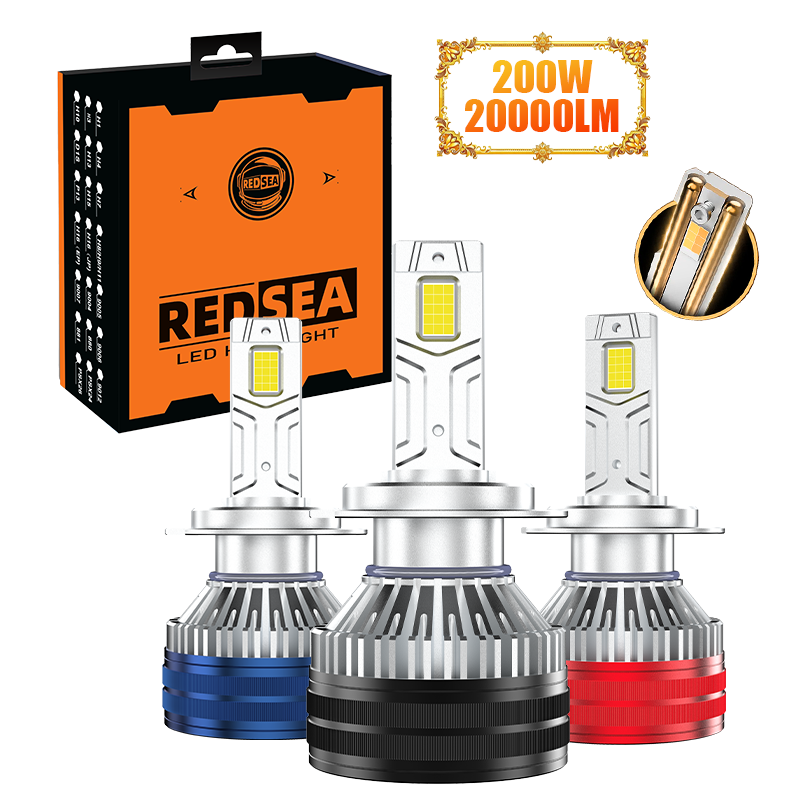
Thermal management is one of the most important yet overlooked aspects when selecting the best H11 LED bulb. LEDs generate heat at the chip level, and without proper dissipation, performance degrades quickly.
Based on engineering principles, excessive heat can lead to:
- • Reduced brightness over time
- • Shortened lifespan
- • Potential failure of internal components
Reliable LED bulbs typically incorporate aluminum heat sinks or built-in cooling fans. In real-world applications, bulbs with effective cooling systems maintain consistent performance even after extended use. When reviewing product specifications, focus on materials and cooling design rather than just lifespan claims.
Compatibility and Installation Simplicity (Experience)
Another key factor in choosing the best H11 LED bulb is vehicle compatibility. Not all LED bulbs are truly plug-and-play. Some vehicles require additional components such as CANbus decoders to prevent flickering or dashboard error messages.
From hands-on installation experience, users often prefer bulbs that:
- • Match the original H11 size and socket design
- • Require no modifications
- • Fit easily within the headlight housing
A compact design is especially important in vehicles with limited space behind the headlight assembly. The best H11 LED bulb should offer straightforward installation without compromising performance.
Energy Efficiency and Electrical Stability (Authoritativeness)
LED technology is widely recognized for its energy efficiency compared to traditional halogen bulbs. According to general automotive lighting principles, LEDs consume less power while delivering comparable or improved illumination.
However, electrical stability is equally important. A high-quality best H11 LED bulb should operate within a stable voltage range and include protection against voltage fluctuations. This ensures consistent performance and prevents interference with the vehicle’s electrical system.
Manufacturers that follow automotive-grade standards typically design their products to handle real-world driving conditions, including temperature changes and electrical variations.
Build Quality and Material Reliability (Trustworthiness)
Material quality directly impacts durability and performance. In evaluating the best H11 LED bulb, consider factors such as:
- • Housing material (e.g., aviation-grade aluminum)
- • Waterproof and dustproof ratings
- • Resistance to vibration
In long-term usage scenarios, bulbs made with robust materials tend to perform more reliably, especially in harsh environments. Transparency in product specifications and clear descriptions of materials are indicators of a trustworthy manufacturer.
Avoiding Marketing Misconceptions (Authoritativeness)
The automotive lighting market is filled with exaggerated claims, particularly regarding lumen output and lifespan. When selecting the best H11 LED bulb, it is important to critically evaluate these claims.
For example:
- • Extremely high lumen ratings may not reflect real-world performance
- • Lifespan claims often assume ideal conditions
- • “Universal compatibility” may not apply to all vehicles
Industry professionals recommend focusing on verified specifications, user feedback, and manufacturer credibility rather than purely promotional language.
Long-Term Value Over Initial Cost (Experience)
While price is always a consideration, the cheapest option is rarely the best H11 LED bulb in the long run. Based on user feedback and replacement trends, lower-cost bulbs often require more frequent replacements due to overheating or poor build quality.
Investing in a well-designed LED bulb can provide:
- • More consistent lighting performance
- • Reduced maintenance
- • Better overall driving safety
From a practical standpoint, long-term reliability often outweighs initial savings.
Table of Contents
- Understanding Real-World Driving Needs (Experience)
- Brightness vs. Beam Pattern Balance (Expertise)
- Heat Dissipation and Lifespan (Expertise)
- Compatibility and Installation Simplicity (Experience)
- Energy Efficiency and Electrical Stability (Authoritativeness)
- Build Quality and Material Reliability (Trustworthiness)
- Avoiding Marketing Misconceptions (Authoritativeness)
- Long-Term Value Over Initial Cost (Experience)