
 EN
EN
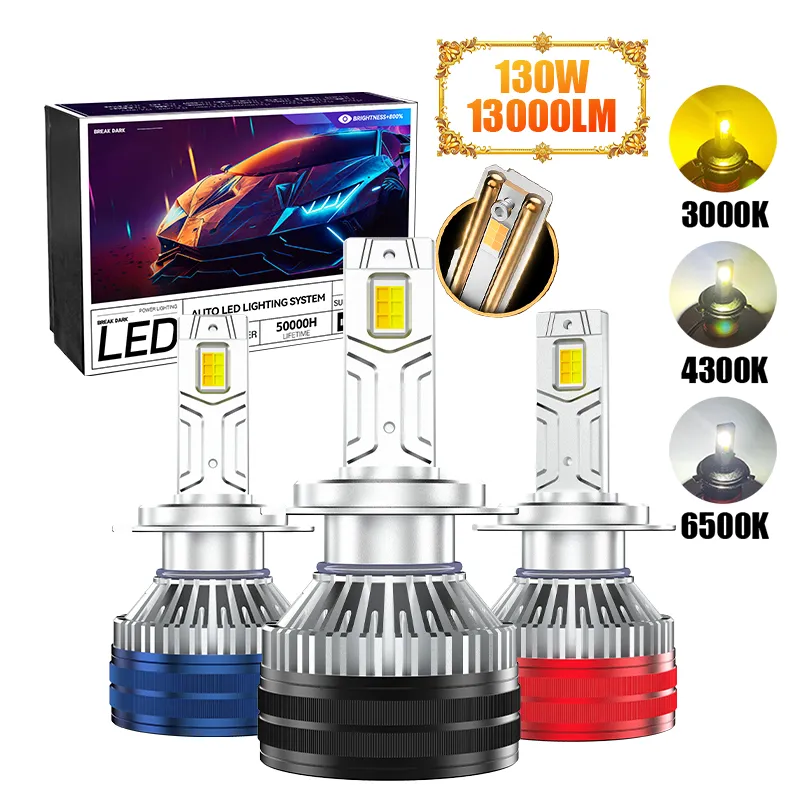
The automotive industry is currently undergoing a massive transformation, moving away from simple illumination toward intelligent, integrated safety systems. As vehicle designs become more streamlined and electric vehicles (EVs) dominate the market, auto lighting is no longer just about seeing the road—it is about communication, energy efficiency, and brand identity. Drawing from years of manufacturing experience and technical analysis of modern lighting systems, we can identify several key shifts that are redefining how we think about headlights and signal lights.
The Transition from Traditional Halogen to High-Efficiency LED Systems
One of the most visible changes in auto lighting technology is the near-universal adoption of Light Emitting Diodes (LEDs). Unlike traditional halogen bulbs that rely on a heated filament, LEDs utilize semiconductor technology to produce light. This shift is driven by a need for longevity and lower power consumption. In our production experience, high-quality LED assemblies offer a lifespan that often outlasts the vehicle itself, reducing maintenance costs for the end-user. Furthermore, the compact nature of LEDs allows designers to create thinner, more aerodynamic headlamp housings, which directly contributes to the vehicle's overall fuel efficiency or battery range in EVs.
Implementation of Adaptive Front-Lighting Systems (AFS) for Enhanced Safety
Safety remains the primary driver of innovation in the auto lighting sector. Adaptive Front-Lighting Systems (AFS) represent a significant leap forward by allowing the beam pattern to change based on driving conditions. Expertise in optical engineering shows that by using sensors to monitor steering angle and vehicle speed, AFS can pivot the light beam into a curve before the car even turns. This "predictive" lighting ensures that hazards on the side of the road are illuminated sooner. For professional manufacturers, the challenge lies in the precision of the motor actuators and the clarity of the lens to ensure that the light distribution remains consistent without blinding oncoming traffic.
The Rise of Intelligent Matrix Beam and Pixel Light Technology
Going beyond simple pivoting, Matrix LED technology allows for individual control of dozens or even hundreds of small LED segments. This level of auto lighting expertise enables "glare-free high beams." By using a front-facing camera to detect other road users, the vehicle’s computer can selectively turn off specific LEDs, creating a "shadow box" around oncoming cars while keeping the rest of the road brightly lit. From a technical standpoint, this requires high-speed data processing and robust thermal management within the headlamp unit to prevent overheating while maintaining maximum brightness. This trend moves the headlight from a "dumb" component to a sophisticated computer peripheral.
Integration of Signal Communication through Dynamic Lighting
Modern auto lighting is increasingly being used as a communication tool. We are seeing a trend where rear light clusters and daytime running lights (DRLs) perform "welcome" sequences or use dynamic scrolling for turn signals. This is not purely aesthetic; it provides clearer visual cues to other drivers and pedestrians. For example, a progressive turn signal is often perceived more quickly by the human eye than a simple blinking light. In the context of autonomous driving research, future lighting systems may even project symbols onto the road surface—such as a crosswalk—to signal to pedestrians that it is safe to cross, bridging the gap between machine logic and human intuition.
Thermal Management and Material Durability in High-Performance Optics
A critical but often overlooked aspect of auto lighting development is the material science behind the housing and lenses. High-output LEDs generate significant heat at the circuit board level, which can degrade performance if not managed. Expert manufacturing involves using advanced heat sinks and breathable membranes to prevent moisture buildup (fogging) inside the lamp. Furthermore, the transition to polycarbonate lenses with UV-resistant coatings ensures that the lights remain clear for a decade or more. Transparency in manufacturing processes—showing how these units are tested for vibration, water ingress, and extreme temperature cycles—is what builds trust with B2B buyers and consumers alike.
The Aesthetic Shift toward Slimmer and Seamless Light Bar Designs
The "face" of the modern automobile is changing due to the flexibility of auto lighting components. We see a trend toward "coast-to-coast" light bars that span the entire width of the vehicle's front or rear. This design trend is particularly prevalent in the EV market, where the absence of a traditional radiator grille allows for more creative lighting placements. Achieving a seamless, uniform glow without visible "hot spots" from individual LEDs requires sophisticated light-guide technology and high-quality diffusion materials. This demonstrates a brand's technical prowess, blending industrial art with functional safety equipment to create a distinct night-time signature.
Table of Contents
- The Transition from Traditional Halogen to High-Efficiency LED Systems
- Implementation of Adaptive Front-Lighting Systems (AFS) for Enhanced Safety
- The Rise of Intelligent Matrix Beam and Pixel Light Technology
- Integration of Signal Communication through Dynamic Lighting
- Thermal Management and Material Durability in High-Performance Optics
- The Aesthetic Shift toward Slimmer and Seamless Light Bar Designs