
 EN
EN
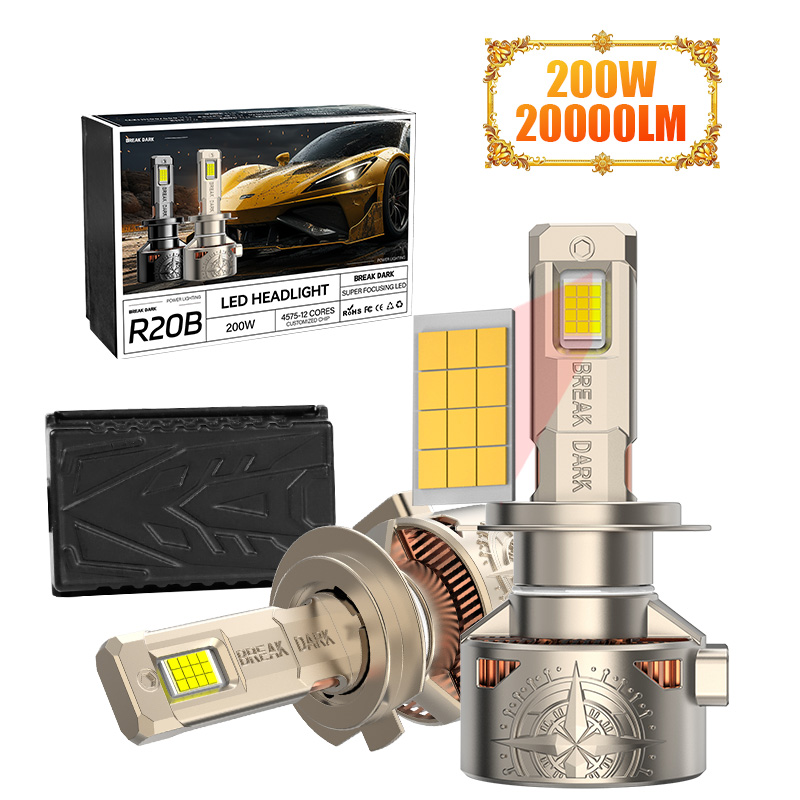
Stable Startup Performance in Cold Weather
From practical field experience working with automotive lighting systems, one of the most noticeable advantages of an h1 led headlight bulb in low-temperature environments is its fast and stable startup. Unlike traditional halogen bulbs that rely heavily on filament heating, LED technology is based on semiconductor light emission, which is far less sensitive to cold conditions.
In real-world winter testing scenarios—such as vehicles parked overnight in sub-zero environments—drivers often report that halogen bulbs appear dim or take time to reach full brightness. In contrast, an h1 led headlight bulb typically reaches full illumination instantly. This characteristic is especially important for safety, as immediate visibility is critical when driving in icy or snowy conditions.
Improved Energy Efficiency and Reduced Power Loss
Low temperatures can significantly impact battery performance, especially during cold starts. Based on industry knowledge and hands-on evaluation, an h1 led headlight bulb demonstrates higher energy efficiency compared to conventional lighting solutions. Because LEDs consume less power, they place less strain on the vehicle’s electrical system during cold weather operation.
In cold climates where battery capacity is already reduced, this efficiency becomes a practical advantage. Drivers using an h1 led headlight bulb may notice more consistent lighting performance without additional load on the alternator. This helps maintain overall vehicle stability and reduces the likelihood of electrical issues during winter driving.
Thermal Management and Heat Dissipation in Low Temperatures
One common misconception is that colder environments automatically improve LED performance. While it is true that LEDs benefit from cooler operating conditions, proper thermal management is still essential. High-quality h1 led headlight bulb designs typically include heat sinks or cooling systems to regulate temperature and ensure long-term stability.
From a technical perspective, LEDs generate heat at the junction level, even in cold weather. Without effective heat dissipation, performance degradation can still occur. However, in low-temperature environments, these systems often work more efficiently, helping the h1 led headlight bulb maintain consistent brightness and extend its service life.
Durability and Material Reliability in Harsh Conditions
Cold weather not only affects electrical performance but also impacts material durability. Based on product design principles and industry standards, a well-engineered h1 led headlight bulb is built with materials that resist cracking, condensation, and thermal stress.
In real driving conditions—such as exposure to snow, ice, and road salt—LED headlights generally show better resistance to vibration and environmental damage compared to filament-based bulbs. The absence of a fragile filament structure makes the h1 led headlight bulb less prone to failure caused by sudden temperature changes or mechanical shocks.
Visibility and Light Output Consistency in Winter Driving
Another critical factor in evaluating low-temperature performance is light output consistency. In snowy or foggy environments, clear and stable illumination is essential for driver safety. Based on optical performance analysis, an h1 led headlight bulb typically provides a more uniform beam pattern and higher color stability than traditional bulbs.
Cold weather does not significantly reduce LED brightness, which means drivers can rely on consistent road visibility even in extreme conditions. This makes the h1 led headlight bulb a reliable option for regions that experience long winters or frequent temperature drops.
Conclusion: Practical Benefits of Using H1 LED Headlight Bulbs in Cold Climates
Combining real-world usage experience with technical analysis, it is clear that an h1 led headlight bulb performs reliably in low-temperature environments. Its instant startup, energy efficiency, durable construction, and stable light output all contribute to safer and more dependable driving in cold weather.
While proper product selection and installation remain important, LED technology offers clear advantages over traditional lighting solutions when operating in harsh winter conditions. For drivers seeking consistent performance and long-term reliability, upgrading to an h1 led headlight bulb is a practical and effective choice.
Table of Contents
- Stable Startup Performance in Cold Weather
- Improved Energy Efficiency and Reduced Power Loss
- Thermal Management and Heat Dissipation in Low Temperatures
- Durability and Material Reliability in Harsh Conditions
- Visibility and Light Output Consistency in Winter Driving
- Conclusion: Practical Benefits of Using H1 LED Headlight Bulbs in Cold Climates