EN
EN
Hitre povezave
Uvod
Pri nakupu nadgradbenih LED-svetilnih sijalk za avtomobile mednarodni kupci in lastniki avtomobilov pogosto srečajo dve osnovni merili za svetlobo: lumen in luks. Večina potrošnikov preprosto prednostno izbira sijalke z visoko vrednostjo v lumenih in napačno enači višjo vrednost v lumenih z boljšo vidljivostjo ponoči v praksi. Ta zabloda povzroči, da mnogi uporabniki kupijo sijalke z visoko vrednostjo v lumenih, ki povzročajo neprijeten bleščaj, razpršeno svetlobo in šibko dejansko osvetlitev ceste.
Da vam pomagamo sprejeti informirane odločitve o nadgradnji, ta vodnik, usmerjen v SEO, podrobno pojasnjuje opredelitve, osnovne razlike in praktične vrednosti luksa in lumena v avtomobilski LED-osvetlitvi. Razložimo, katero merilo res določa kakovost vožnje ponoči, ter kako točna optična konstrukcija in optimizirana strojna struktura podjetja REDSEA znanstveno uravnotežita izhodno moč v lumenih in zmogljivost v luksih, kar zagotavlja praktično in visoko učinkovito osvetlitev ceste za vse vožnje.
1. Osnovna opredelitev: Kaj so lumeni?
Lumeni (lm) se nanašajo na celotni svetlobni tok, ki ga LED sijalka oddaja v vse smeri. To je osnovni parameter, ki meri celotno zmogljivost svetlobnega vira za ustvarjanje svetlobe. Preprosto povedano, lumeni predstavljajo surovo količino svetlobe, ki jo proizvede LED čip.
Lumeni so temelj svetlega osvetlitve, vendar visokih lumenov ne zagotavljajo jasne vidnosti na cesti. Številne poceni sijalke z visokimi lumeni nimajo natančno nastavljene optike, kar povzroča nepredvideno razprševanje svetlobe navzgor in na strani. Te izgubljene svetlobne vire namesto osvetlitve cestnega površja ustvarjajo neprijetno razpršeno svetlobo in bleščanje, kar povzroča pogosto pojavljeno pojav »svetla sijalka, temna cesta«.
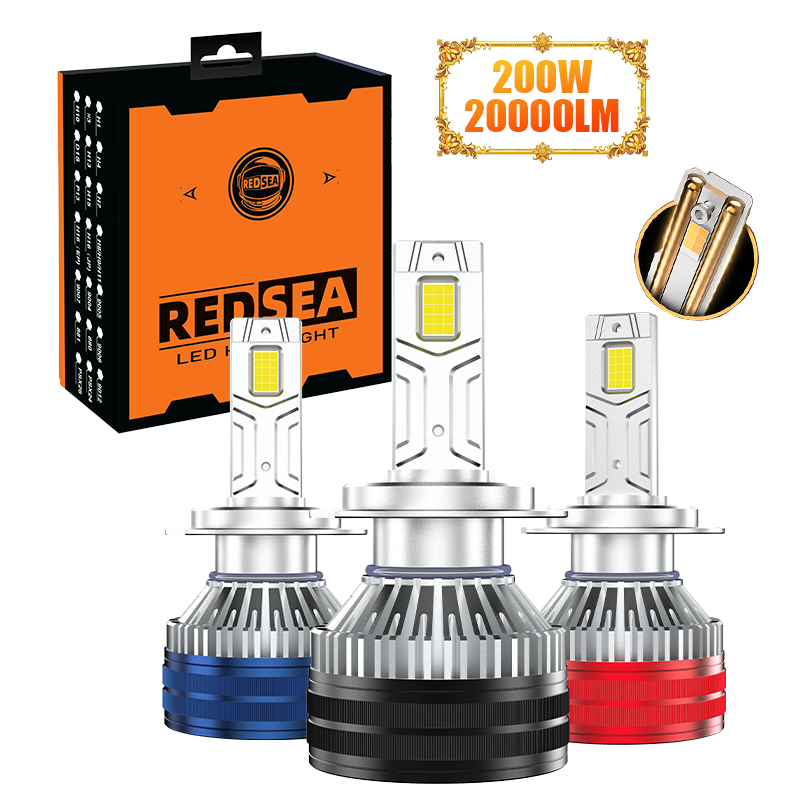
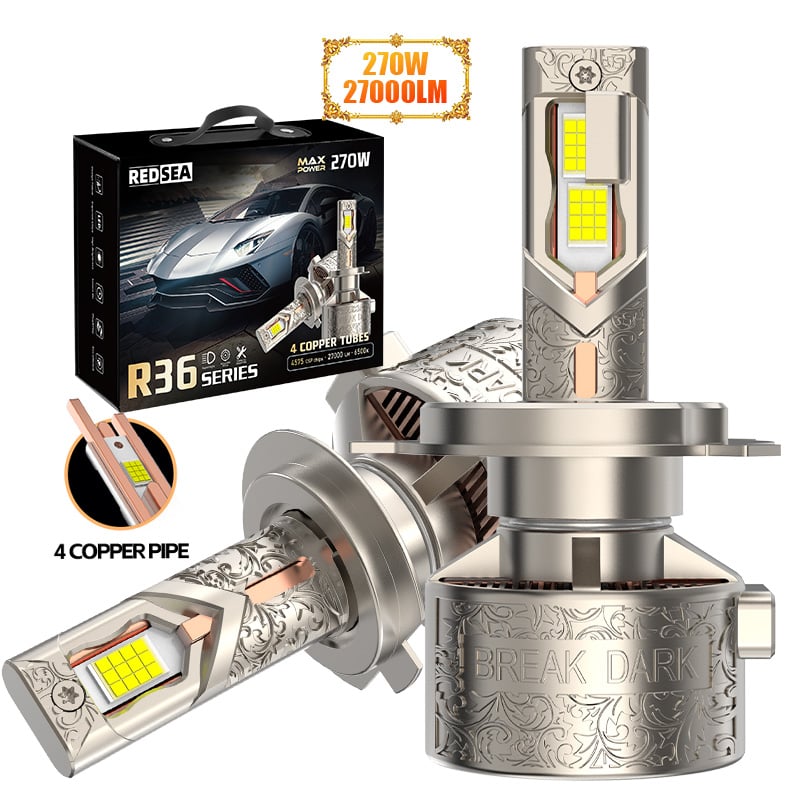
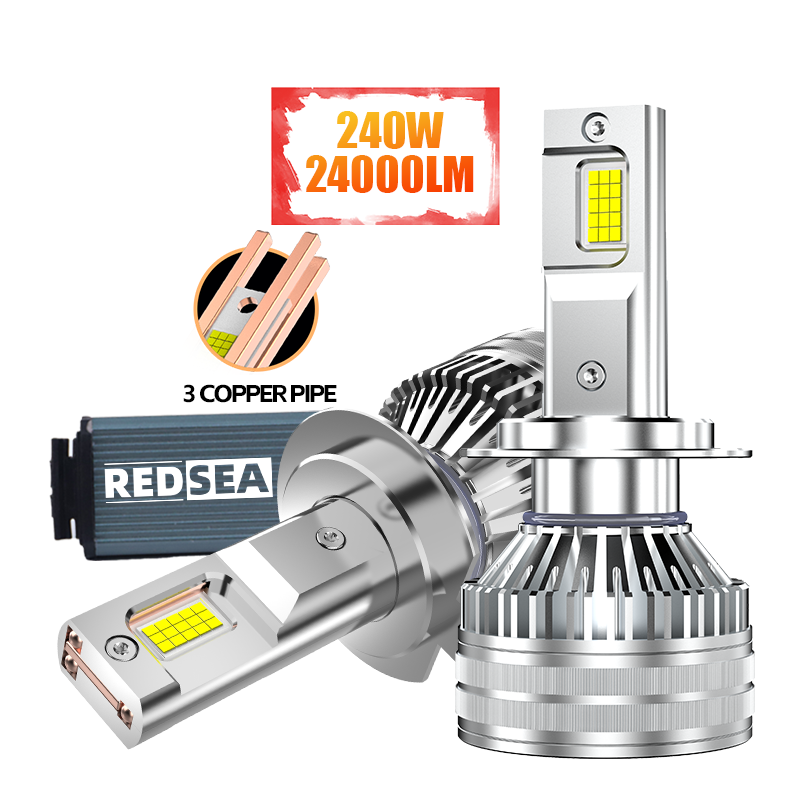
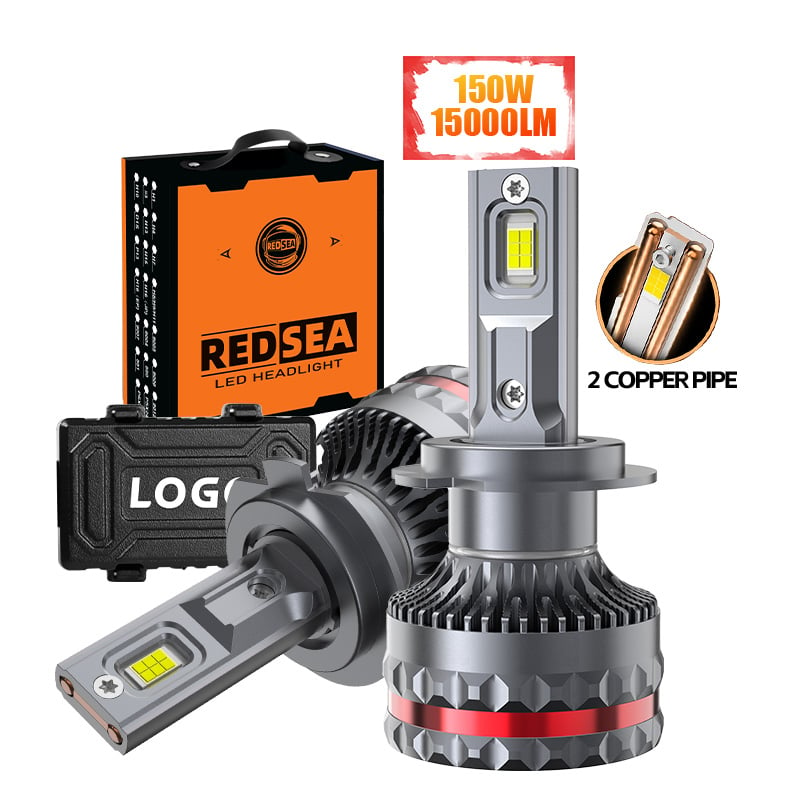
Vse LED sijalke modela REDSEA uporabljajo usklajene konfiguracije zmogljivosti in stabilne sisteme odvajanja toplote. Z standardiziranim izhodom lumenov med 20000 lm in 36000 lm na par ohranjajo enotno surovo količino svetlobe in učinkovito preprečujejo zmanjševanje svetlosti zaradi dolgotrajnega delovanja pod visokim obremenitvijo.
2. Osnovna definicija: Kaj so luksi?
Luksi (lx) predstavljajo osvetljenost in merijo učinkovito intenziteto svetlobe, ki dejansko pade na površino ceste, prometne znake in površine ovir. Poklicna definicija je: 1 luksov ustreza 1 lumenu svetlobe, enakomerno razporejenemu po površini enega kvadratnega metra.
V nasprotju z izvirno mersko enoto lumeni so luksi kazalnik, usmerjen v zmogljivost na cesti, saj neposredno odražajo uporabno svetlost za vožnjo. Luks je odvisen od treh ključnih dejavnikov: skupne izhodne svetlobne moči v lumenih, natančne optične oblikovne strukture žarka ter natančnega položaja fokusa svetlobnega vira. Dve sijalki z enakim izhodom v lumenih lahko zagotovita popolnoma različno zmogljivost v lukseh zaradi različne kakovosti optičnega načrtovanja.
Žarnice REDSEA uporabljajo strogo natančno optično kalibracijo, ki osredotoči večino učinkovite svetlobe na vožnjo po vozišču, optimizira razporeditev svetlobe in znatno izboljša vrednosti osvetlitve cestne površine (lux). Ta oblikovanje pretvori surovo izhodno svetlobno moč (lumen) v praktično, enakomerno osvetlitev ceste ter dolgoročno prodornost svetlobe.
3. Ključne razlike med lumeni in luksi
Največja razlika leži v dimenzijah merjenja in praktičnem pomeni: lumeni merijo količino svetlobe, ki jo žarnica ustvari, medtem ko luksi merijo količino svetlobe, ki jo dejansko prejme cesta.
|
Dimenzija primerjave |
Lumeni |
Lux |
|
Predmet meritve |
Skupni svetlobni tok, ki ga oddaja LED-žarnica |
Učinkovita svetlobna jakost na cestnih površinah |
|
Osnovna funkcija |
Odbija surovo svetlobno zmogljivost svetlobnega vira |
Odbija dejansko, uporabno vidnost ponoči |
|
Deležni faktorji |
Specifikacija čipa, moč, stabilnost odvajanja toplote |
Volumen svetlobe v lumenih + natančna optična razporeditev + kalibracija fokusa |
|
Praktična omejitev |
Prekomerni lumeni brez optične optimizacije povzročajo izgubo svetlobe in o slepljenost |
Visoka osvetljenost v luksoh zahteva dovolj lumenov kot osnovno zagotovilo |
4. Katera merilna enota je pomembnejša za nadgradnjo LED prednjih luči?
Za profesionalne nadgradnje avtomobilskih svetlobnih sistemov je osvetljenost v luksoh odločilnejši ključni kazalnik varnosti vožnje, medtem ko lumeni predstavljajo bistveno osnovo.
Kakovostna rešitev z LED prednjimi lučmi zahteva ustrezno osnovno vrednost lumenov, da se zagotovi zadostna svetlobna moč. Vendar se surovi lumeni lahko pretvorijo v visoko osvetljenost cestne površine v luksoh le z natančnim oblikovanjem svetlobnega snopa. Izdelki, ki slepo sledijo ultra-visokim vrednostim lumenov brez optimizirane optične konstrukcije, ne izboljšajo vidnosti ponoči; namesto tega ustvarjajo več razpršene svetlobe in slepljenost nasprotne prometne smeri.
Odlična svetlobna zmogljivost na cesti vedno izhaja iz znanstvenega ravnotežja med standardnimi lumeni in visokim osvetlitvenim tokom (lux). To je osnovna konstrukcijska ideja LED-svetilk serije REDSEA: usklajeni gradientni lumeni za različne modele, dopolnjeni z profesionalno optično kalibracijo, da se maksimalno poveča učinkovita osvetlitev ceste in odpravi nepotrebno svetlobno porabo.
5. Kako REDSEA uravnavajo lumen in lux za optimalno svetlobno zmogljivost
Večina običajnih LED-svetilk ali zasleduje visoke lumenove na račun neurejenih svetlobnih vzorcev ali pa ima stabilne svetlobne oblike, vendar premalo svetlosti. REDSEA ta industrijski problem reši s sistemsko strojno in optično optimizacijo:
Zaključek
Lumeni predstavljajo skupno svetlobno izdačo LED glavnih luči, medtem ko luks določa dejansko uporabno svetlost na cesti. Lumeni so osnovni prag za svetlobno zmogljivost, luks pa je ključni standard za merjenje vidnosti pri vožnji ponoči. Pri nadgradnji LED sijalk ne ocenjujte kakovosti izdelka izključno na podlagi števila lumenov. Prednost dajte izdelkom z natančnimi optičnimi sistemi, ki učinkovito pretvarjajo surove lumene v visok in enakomeren luks na cesti.
Profesionalne LED sijalke REDSEA temeljijo na standardizirani konfiguraciji lumenov in izpopolnjeni optični zasnovi, da popolnoma uravnotežijo svetlost, koncentracijo in enakomernost ter ponudijo stabilne, visoko ločljive in zmanjšane odbijajoče se svetlobe za nočno vožnjo globalnim uporabnikom.
 Top novice
Dongguan Red Sea Technology Development Co., Ltd. ponuja visokokakovostne LED avtomobilske prednje svetilke ter BI-LED in laserske leče za globalne avtomobilske znamke. Več kot 15 let izkušenj z OEM/ODM proizvodnjo, stroga kakovostna kontrola, več kot 2000 distributerjev. Kontaktirajte nas že danes!
Room 501, Building 1, No. 8 Chuangyi East Road, Daojiao Town, Dongguan City, Guangdong Province,523000
Copyright © 2026 by Dongguan Red Sea Technology Development Co., Ltd. PRAVILNIK O ZASEBNOSTI