Введение
Большинство автовладельцев и автолюбителей считают светодиодные фары пожизненным решением без необходимости в обслуживании. В официальных технических характеристиках продукции всегда указывается чрезвычайно длительный срок службы — от 30 000 до 50 000 часов, что значительно превосходит показатели традиционных галогенных и ксеноновых фар. Однако многие пользователи сталкиваются с непонятной проблемой в реальных условиях: их светодиодные фары не перегорают и не выходят из строя полностью, а постепенно тускнеют, желтеют и теряют проникающую способность через месяцы или годы эксплуатации. Это распространенное явление известно как снижение светового потока (тускнение светодиодов).
В отличие от галогенных ламп, которые мгновенно перегорают из-за разрыва нити накала, или ламп HID, которые выходят из строя внезапно из-за ошибок розжига, светодиодные автомобильные фары высокой мощности редко подвержены внезапному полному отказу. Вместо этого они постепенно и необратимо теряют яркость. В этой статье подробно рассматриваются основные причины потускнения светодиодных фар, объясняется, почему в светодиодных автомобильных технологиях «потускнение заменяет перегорание», анализируются ключевые различия между светодиодными лампами низкого и премиального качества, а также предлагаются практические решения для увеличения срока службы светодиодных фар. Статья помогает покупателям по всему миру и конечным пользователям избегать некачественных изделий и обеспечивать стабильную освещённость при вождении в тёмное время суток на протяжении длительного времени.
Что такое потускнение светодиодного света (снижение светового потока)?
Деградация светового потока относится к постепенной и необратимой потере светового потока и яркости светодиодных источников света в результате длительной эксплуатации. Это основная характеристика старения твердотельных полупроводниковых осветительных устройств и принципиально отличается от «аварийного выхода из строя» традиционных источников света.
Традиционные галогенные и HID-фары имеют чёткие пороги отказа: перегорание нити накала, утечка газа из разрядной камеры или короткое замыкание балласта приводят к немедленному прекращению работы фары. В отличие от них, автомобильные светодиодные кристаллы не содержат расходуемых светоизлучающих материалов, поэтому они могут оставаться электрически работоспособными в течение многих лет. Однако их световая эффективность постоянно снижается, что приводит к заметному уменьшению яркости, отклонению цветовой температуры и снижению проникающей способности светового пучка — это типичная особенность светодиодных фар, выражаемая как «затухание без аварийного выхода из строя».
Стандарты отрасли определяют, что светодиод считается исчерпавшим свой эффективный срок службы, когда его яркость снижается до 70 % от исходного значения. Даже если лампа продолжает светиться, её способность обеспечивать безопасность при вождении в тёмное время суток полностью утрачена.
Основные причины потускнения светодиодных фар (без выхода из строя)
1. Чрезмерная температура p–n-перехода и неэффективный отвод тепла (основная причина)
Тепло — главный враг автомобильных светодиодных фар. В отличие от бытовых светодиодов низкой мощности, автомобильные светодиодные лампы работают в условиях высокой нагрузки и в замкнутом пространстве. Температура p–n-перехода в центральном чипе во время длительного ночного вождения и движения на высокой скорости легко превышает 120 °C. Согласно закону Аррениуса, принятому в осветительной отрасли, каждое повышение температуры p–n-перехода на 10 °C более чем вдвое сокращает эффективный срок службы светодиода и резко ускоряет деградацию светового потока.
Большинство недорогих светодиодных ламп для фар используют упрощенные конструкции системы теплоотвода: тонкие алюминиевые основания, заблокированную работу вентилятора, стареющую и обугливающуюся термопасту, а также герметичные корпуса фар без вентиляции. Эти недостатки приводят к накоплению тепла, которое не может быть своевременно отведено. Длительная работа при высоких температурах постепенно повреждает светоизлучающую структуру кристалла, вызывая постоянное снижение яркости. Именно поэтому многие дешёвые светодиодные лампы значительно теряют яркость уже через год эксплуатации, даже если они не перегорают.
2. Старение люминофорного слоя и смещение цвета
Автомобильные белые светодиоды не излучают белый свет напрямую. Для получения высокочистого белого света используется синий светодиодный кристалл, излучение которого проходит через поверхностный люминофорный слой. Люминофорный слой представляет собой термочувствительный материал, который постепенно стареет, окисляется и кристаллизуется под воздействием длительного нагрева и ультрафиолетового излучения.
После деградации люминофорного слоя коэффициент преобразования синего света резко снижается. Первоначально чистый белый луч приобретает желтоватый оттенок и тускнеет, а общая яркость и проникающая способность света на дороге значительно уменьшаются. Это ещё один типичный признак выцветания светодиодных фар. Светодиодные лампы премиум-класса высокого качества используют термостойкие люминофорные материалы автомобильного класса, что эффективно замедляет старение и обеспечивает долгосрочную стабильность цветовой температуры.
3. Нестабильный ток и низкокачественная микросхема драйвера
Многие недорогие светодиодные фары экономят за счёт использования низкокачественных систем питания без модулей стабилизации тока и напряжения. Напряжение бортовой сети автомобиля часто колеблется во время разгона, торможения и запуска двигателя. Нестабильный ток постоянно воздействует на светодиодный кристалл, вызывая микроскопические ударные нагрузки и постепенное снижение яркости.
Длительное воздействие нестабильного электропитания не приводит к мгновенному выходу чипа из строя, но постепенно снижает световую эффективность полупроводникового элемента, вызывая постепенное потускнение, периодическое мерцание и неравномерную яркость светового пучка. Высококачественные светодиодные фары оснащены интеллектуальными драйверами постоянного тока с функцией декодирования, которые фильтруют колебания напряжения, обеспечивают стабильную подачу мощности и предотвращают электрически обусловленное снижение яркости.
4. Окисление линзы и скопление пыли внутри
Потускнение света вызывается не только старением внутреннего чипа, но и старением внешних конструктивных элементов. Линза корпуса фары постоянно подвергается воздействию ультрафиолетового излучения солнечного света, дождевой эрозии и высокотемпературному нагреву. Низкокачественные линзы из поликарбоната склонны к окислению, пожелтению и запотеванию поверхности, что снижает светопропускание.
Кроме того, плохо герметизированные конструкции ламп позволяют пыли, влаге и мелким примесям проникать в полость лампы, оседая на поверхности кристалла и линзы. Эти загрязнения блокируют световой поток, визуально проявляясь в виде заметного снижения яркости и выцветания, что значительно ухудшает безопасность освещения при движении в темное время суток.
5. Проектирование светодиодного кристалла с завышенным током для достижения избыточной яркости
Многие недорогие производители стремятся к быстрому получению высокой яркости как маркетинговому преимуществу и используют проекты светодиодных кристаллов с завышенным током — увеличивая ток выше номинальной нагрузки кристалла, чтобы достичь более высокого светового потока в кратчайшие сроки. Хотя такая конструкция обеспечивает чрезвычайно яркое освещение на начальном этапе, она вызывает серьёзную перегрузку кристалла.
Работа в режиме завышенного тока приводит к чрезмерному нагреву, резко ускоряя старение кристалла и деградацию люминофора. Такие светодиодные лампы теряют яркость в течение 6–12 месяцев, причём снижение яркости происходит резко, формируя порочный круг: «сначала высокая яркость, затем быстрое выцветание».
Почему светодиоды тускнеют, а галогенные и HID-лампы перегорают
Чтобы помочь пользователям четко различать принципиальные различия в режимах отказа основных автомобильных фар, мы составили ключевое сравнение:
Галогенные фары: Механический износ расходуемых компонентов. Вольфрамовая нить накаливания длительное время нагревается и окисляется, в результате чего плавится и обрывается, вызывая прямой перегорание и полный отказ освещения. Режим отказа — внезапный и очевидный.
Фары с газоразрядными лампами (HID): Износ газа и отказ вспомогательных компонентов. Снижение концентрации газа внутри лампы, повреждение блока розжига (балласта) и сбой в системе зажигания приводят к отсутствию свечения или мерцанию. Большинство отказов проявляются как внезапные функциональные неисправности.
Светодиодные фары (LED): Старение материалов и постепенное снижение характеристик. Отсутствие легко повреждаемых расходуемых компонентов исключает внезапное перегорание. Характеристики ухудшаются медленно под воздействием тепла и времени, проявляясь в постепенном ослаблении и затухании яркости.
Это также выявляет главную ловушку некачественных светодиодных ламп: они обеспечивают длительный срок службы, однако быстро теряют безопасность эксплуатации, что часто остается незамеченным владельцами автомобилей и создает скрытые риски при движении в темное время суток.
Как предотвратить выцветание светодиодных фар и продлить срок их службы
1. Выбирайте продукты с профессиональной системой теплового управления
Возможность отвода тепла определяет срок службы светодиодной лампы и её устойчивость к выцветанию. Предпочтение следует отдавать светодиодным фарам с интегрированной алюминиевой конструкцией для отвода тепла и бесшумным высокоскоростным вентилятором охлаждения. Эффективная теплопроводность и быстрый отвод тепла позволяют поддерживать температуру p-n-перехода кристалла в безопасном рабочем диапазоне, что в корне замедляет снижение светового потока.
2. Избегайте использования недорогих низкокачественных светодиодных ламп повышенной яркости с чрезмерным перенапряжением
Слишком дешёвые и чрезмерно рекламируемые светодиодные лампы повышенной яркости зачастую полагаются на перенапряжение для повышения яркости, жертвуя долговременной стабильностью. Рекомендуется выбирать лампы стандартной мощности, соответствующие автомобильным стандартам и имеющие сертификацию, с сбалансированной яркостью и эффективным управлением тепловыделением, чтобы обеспечить стабильную работу в течение длительного времени.
3. Используйте интеллектуальный драйвер постоянного тока с функцией декодирования
Высококачественная система питания способна фильтровать колебания напряжения в автомобиле, обеспечивать стабильную и непрерывную подачу мощности на светодиодный чип, предотвращать повреждение от бросков тока и эффективно снижать электрическое старение светодиодов, гарантируя неизменную световую отдачу на протяжении многих лет.
4. Обеспечьте надёжную герметизацию и защиту линзы
Полностью герметичная конструкция лампы предотвращает проникновение пыли и водяного пара в корпус фары. Регулярная очистка линзы фары и избегание длительного воздействия прямых солнечных лучей замедляют окисление и пожелтение линзы, сохраняя высокую светопропускную способность.
Почему светодиодные фары REDSEA лучше сопротивляются выцветанию
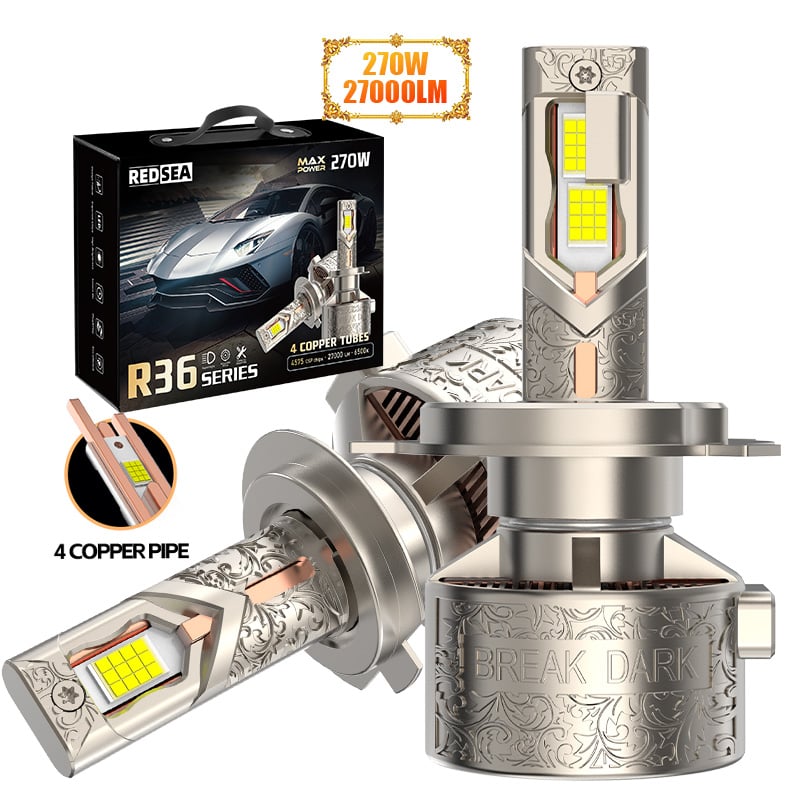
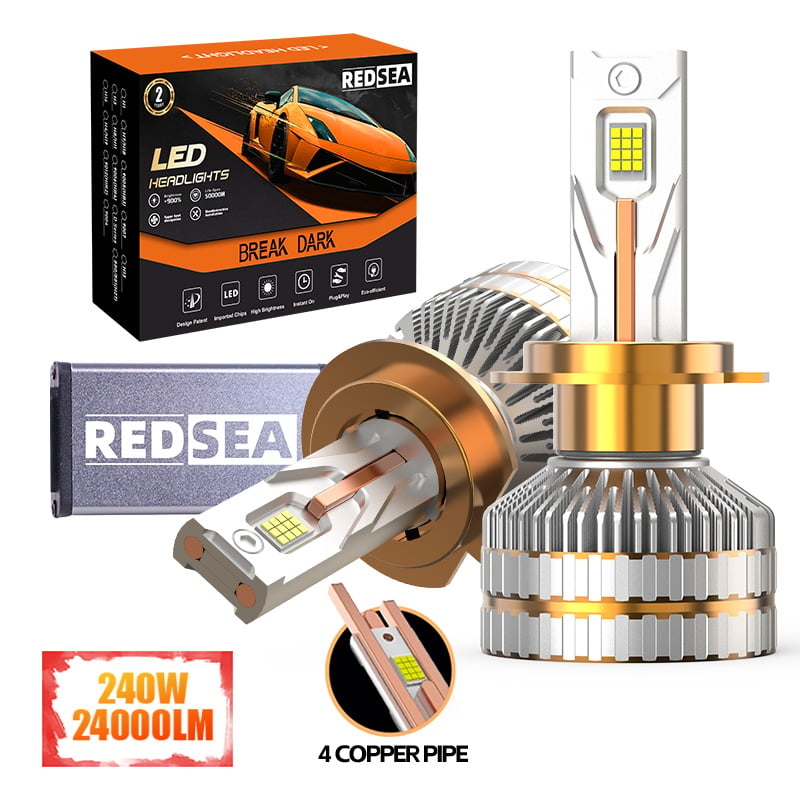
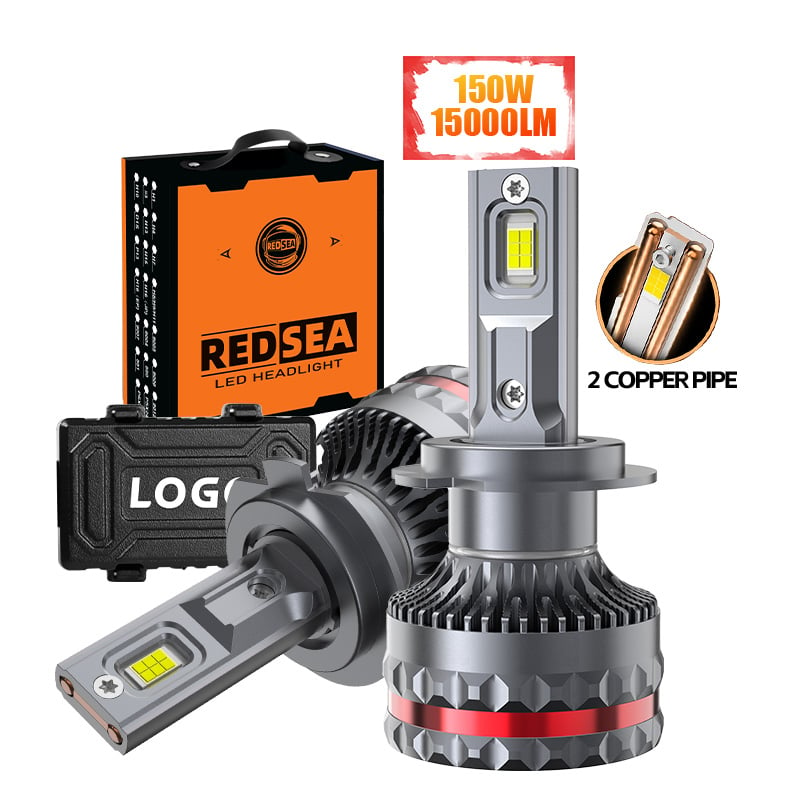
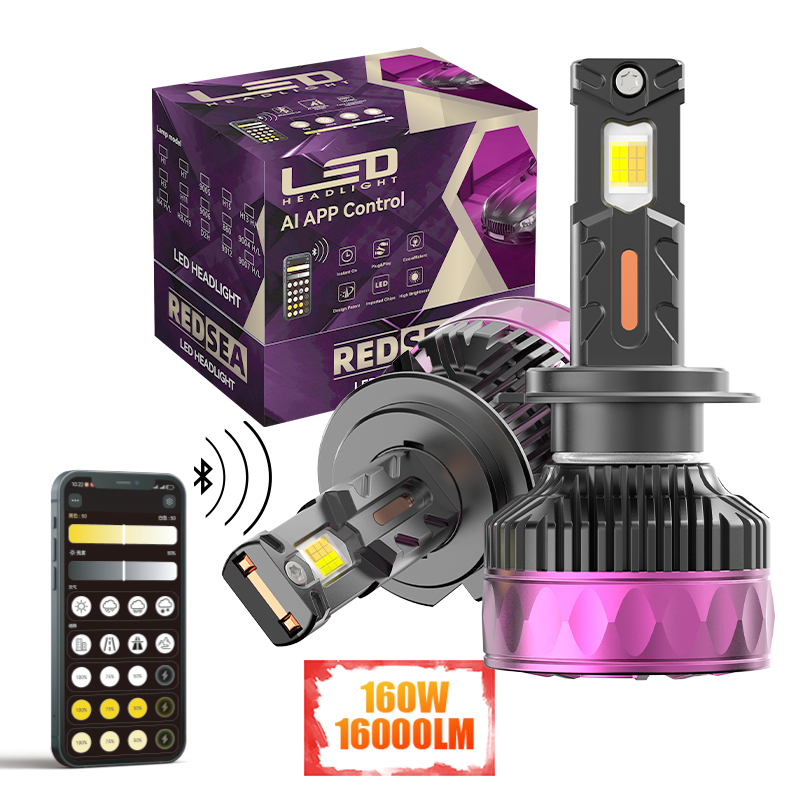
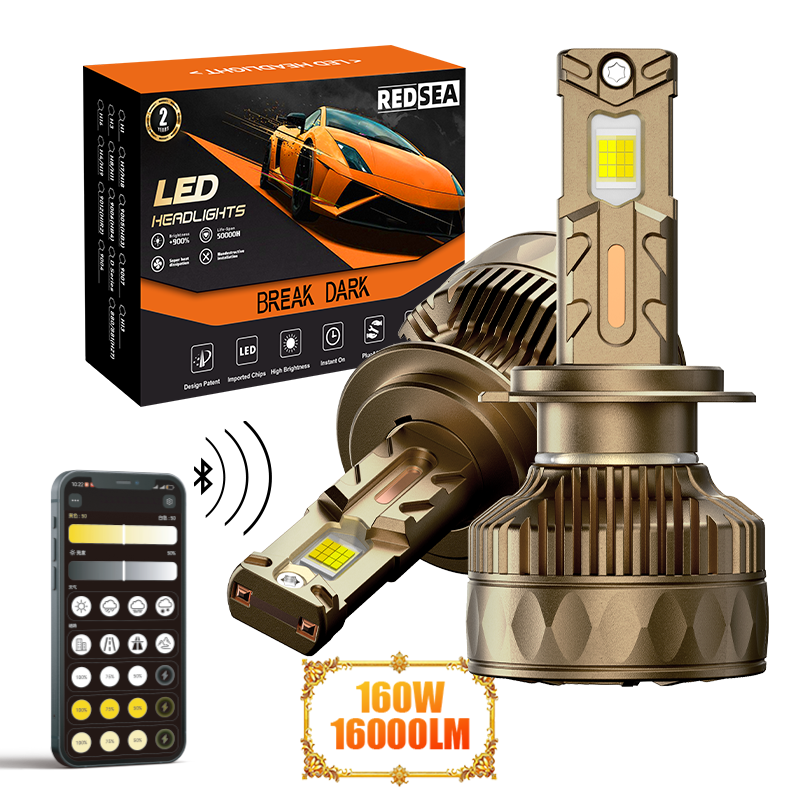
Будучи профессиональным производителем автомобильных светодиодных фар, ориентированным на долгосрочную стабильную работу, REDSEA решает ключевую проблему отрасли — быстрое выцветание некачественных светодиодных ламп. Мы оптимизируем весь процесс — от выбора чипов и конструктивного проектирования до подбора материалов и настройки источника питания, — что позволяет эффективно решить проблему снижения светового потока и достичь долговременной устойчивости к выцветанию и пожелтению.
Светодиодные чипы промышленного класса с низким коэффициентом деградации: Используются чипы с номинальными характеристиками по промышленному стандарту и строгим контролем тока, без применения режима сверхнагрузки. Снижение световой отдачи составляет менее 5 % после длительной эксплуатации, что значительно ниже показателя 20–30 % для обычных ламп.
Эффективная система теплоотвода полного охвата: интегрированный корпус теплоотвода из алюминиевого сплава методом литья под давлением + бесшумный высокоскоростной вентилятор + усовершенствованная теплопроводящая паста обеспечивают трёхмерную быструю теплопередачу. Это позволяет поддерживать чипы в безопасном температурном диапазоне в течение длительного времени и предотвращает старение и выцветание, вызванные перегревом.
Фосфор и линза, устойчивые к высоким температурам: Применяются фосфорное покрытие, устойчивое к старению, и материалы линз с высокой светопропускной способностью и защитой от УФ-излучения, что предотвращает изменение цвета, пожелтение и снижение светопропускной способности, вызванные длительным воздействием высоких температур и солнечной радиации.
Умный стабилизированный драйвер с постоянным током: Встроенный интеллектуальный драйвер постоянного тока с функцией декодирования, автоматически адаптируется к колебаниям напряжения в автомобиле, исключает повреждение от скачков тока и обеспечивает стабильную яркость на протяжении всего срока службы.
Строгие испытания на старение и долговечность: Все изделия проходят непрерывные циклические испытания при высоких и низких температурах, длительные испытания на старение при эксплуатации в режиме освещения, а также вибрационные испытания для обеспечения стабильной работы в сложных условиях вождения по всему миру.
Благодаря надёжной устойчивости к выцветанию светодиодные фары REDSEA сохраняют изначальную яркость и чистую цветовую температуру на протяжении многих лет, постоянно обеспечивая безопасность движения в тёмное время суток. Мы также предоставляем гарантию сроком на 2 года и профессиональную глобальную послепродажную поддержку, позволяя каждому пользователю обновлять оборудование с уверенностью.
Заключение
Основное преимущество светодиодных фар перед галогенными и HID-лампами — длительный срок службы и стабильная производительность, однако это преимущество присутствует только в высококачественных, хорошо спроектированных изделиях. Режим отказа некачественных светодиодных ламп «затемнение без перегорания» представляет собой скрытую угрозу безопасности, которую автовладельцы часто игнорируют. Снижение яркости света из-за накопления тепла, старения материалов и нестабильного электропитания полностью ухудшает видимость в темноте и снижает безопасность вождения.
Выбор светодиодных фар REDSEA, устойчивых к выцветанию и обладающих высокой стабильностью, — это не просто простое улучшение освещения, а долгосрочная инвестиция в безопасность при вождении в темное время суток. Избегайте частого снижения яркости и пожелтения света и наслаждайтесь стабильно высокой яркостью и чистотой освещения уровня дневного света при каждой ночной поездке.

 EN
EN
 Свежие новости