
 EN
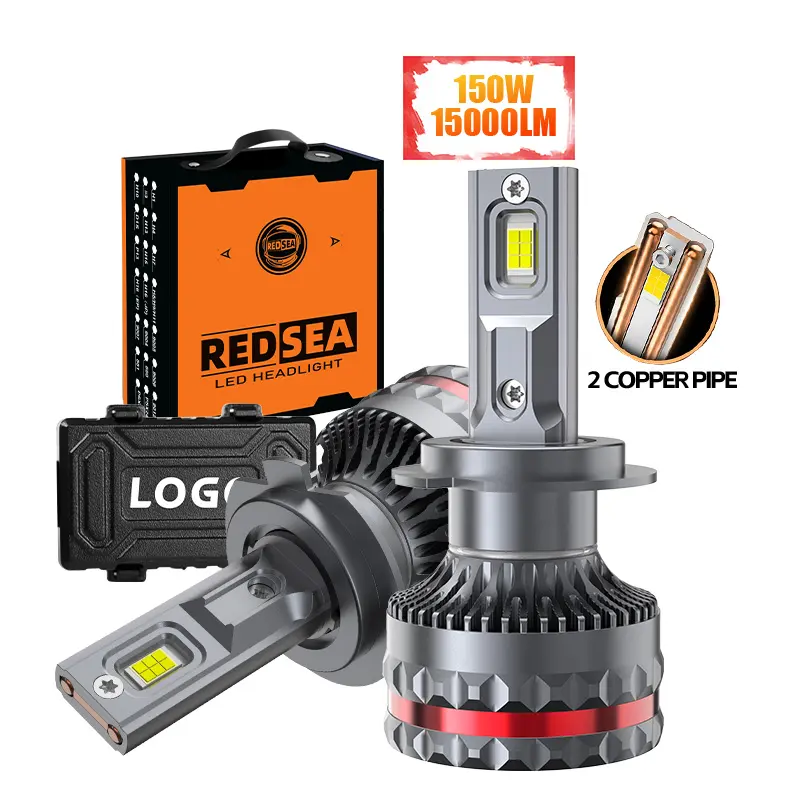
Understanding Luminous Flux and Actual Lumens Output
When upgrading your vehicle's factory lighting system, wading through marketing claims can be overwhelming, but focusing on verifiable technical metrics ensures you choose the right equipment. In my professional experience evaluating automotive lighting systems, I frequently see consumers confused by inflated wattage and brightness claims. The first critical indicator to prioritize is luminous flux, measured in actual lumens. Unlike traditional incandescent filaments, a high-quality led auto bulb must deliver a balanced, high-efficiency lumen output—typically ranging from 6,000 to 10,000 lumens per set—without causing excessive stray glare. True optical performance relies on how effectively that luminous flux is projected onto the road surface rather than raw, unmeasured brightness numbers that can blind oncoming traffic.
Color Temperature and Human Visual Acuity at Night
Another essential performance metric that directly affects nighttime driving safety and comfort is color temperature, measured in Kelvin (K). Many drivers assume that a higher Kelvin rating equals better visibility, but science tells a different story. In optical engineering, the optimal color temperature for automotive forward lighting sits between 5500K and 6500K, producing a crisp, clean daylight-white illumination. In my practical assessments of night driving conditions, this specific color range enhances road sign legibility and contrast on asphalt without creating the severe back-glare and eye fatigue associated with overly blue or ultraviolet-heavy spectrums found in cheap aftermarket alternatives.
Thermal Management and Effective Heat Dissipation Design
Unlike halogen or HID counterparts, light-emitting diodes are extremely sensitive to high operating temperatures. If internal heat is not managed properly, diode efficiency drops rapidly, leading to color shifting, premature lumen depreciation, and ultimate component failure. When selecting a reliable led auto bulb, you must carefully examine the bulb's thermal management architecture. Premium units utilize multi-layer copper circuit boards, aviation-grade aluminum housings, and integrated high-speed silent fans or braided copper heat sinks. This robust engineering ensures that thermal energy is pulled away from the semiconductor chips efficiently, guaranteeing stable, long-term performance even during hours of continuous night driving.
Beam Pattern Geometry and Cutoff Precision
Having powerful illumination is useless if the light is scattered haphazardly across the road. The optical geometry and focal placement of the LED chips must meticulously replicate the exact position of original factory halogen filaments. A well-designed led auto bulb features precise chip positioning to ensure a sharp, clearly defined cutoff line when installed in standard reflector or projector housings. This precise beam pattern focuses light low and wide across the driving lane, illuminating potential hazards and road shoulders while keeping light out of the eyes of oncoming drivers, thereby satisfying safety regulations and maximizing functional road vision.
Professional Automotive Lighting Standards from RedSea
Navigating the vast array of automotive upgrade options requires a balance of technical knowledge and trust in reputable manufacturing standards. At RedSea, our engineering approach focuses on rigorous quality control, optimal thermal dissipation, and precise optical performance across all our product lines. Whether you are upgrading your daily commuter car or outfitting a heavy-duty vehicle, selecting a precision-engineered led auto bulb ensures enhanced road safety and long-lasting reliability. Explore our professional collection today to find lighting solutions built to meet your exact driving needs.
