
 EN
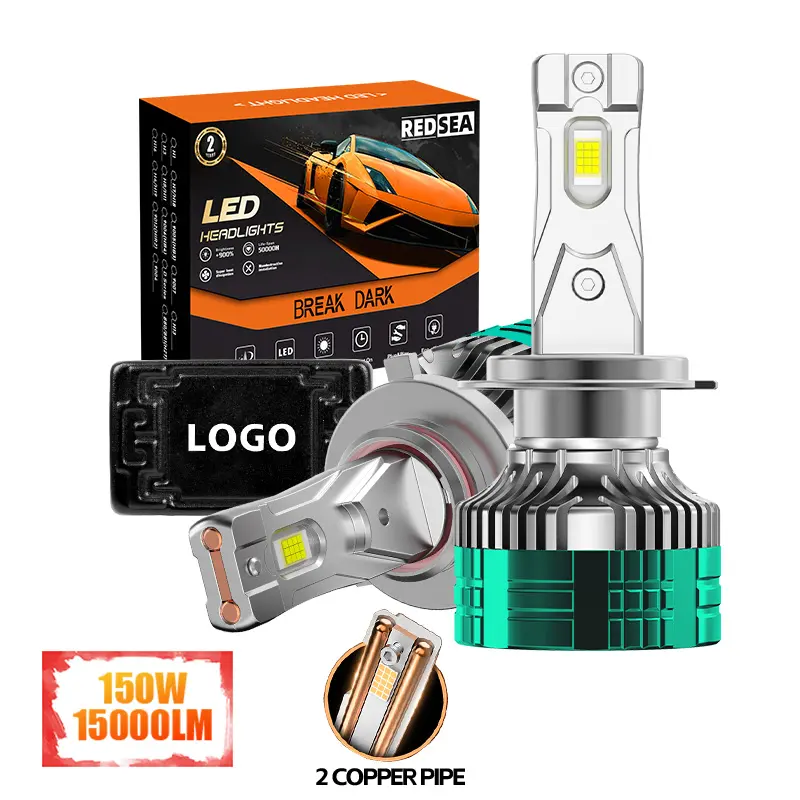
Understanding Lumen Levels and the Evolution of Automotive Lighting
When upgrading your vehicle's forward illumination for safer evening commutes and late-night road trips, understanding the foundational science of brightness is essential for every responsible driver. Traditional stock halogen bulbs typically output a modest range of 1,000 to 1,500 lumens, which frequently feels dim, yellow, and entirely inadequate during dark country drives, unlit rural highways, or heavy rainstorms. High-performance modern lighting upgrades, particularly advanced h7 bright white bulbs, bridge this technological gap by delivering a significantly higher luminous flux—often safely ranging from 3,000 to over 6,000 lumens per bulb. This substantial, engineering-backed increase transforms nighttime visibility, helping drivers spot critical road signs, pedestrians, and unexpected roadway hazards much earlier without consuming excessive electrical power or straining the vehicle's stock alternator.
Why 3,000 to 6,000 Lumens is the True Sweet Spot for Night Driving
Choosing the correct lumen level is a delicate, calculated balance between maximizing forward vision and avoiding dangerous, blinding glare for oncoming traffic. Automotive lighting engineers and safety experts note that a luminous output ranging strictly between 3,000 and 6,000 lumens provides the optimal intensity for night driving conditions. Going far beyond this engineered threshold without proper projector optics can scatter light uncontrollably, blinding other motorists and creating severe safety hazards on the road. Premium-quality h7 bright white bulbs designed precisely within this specific lumen range deliver a focused, crisp, and well-defined beam pattern. This ensures that the intense illumination is projected accurately down the road, enhancing overall visual clarity and distance by up to 50% or more compared to older stock options.
The Critical Role of Color Temperature and Practical Visual Clarity
Brightness measured purely in lumens tells only half the automotive lighting story; color temperature plays an equally vital and complementary role in real-world driving conditions. Premium LED lighting upgrades typically feature a clean 6,000K to 6,500K pure white color temperature spectrum. This modern cool white spectrum closely mimics natural daylight, significantly boosting optical contrast against dark, wet asphalt surfaces. Drivers frequently report through extensive real-world feedback that switching to h7 bright white bulbs drastically reduces eye strain and fatigue during long, exhausting night trips. The sharper visual contrast makes lane markings, concrete curbs, and roadside wildlife stand out starkly, allowing for faster and much safer human reaction times when unexpected obstacles suddenly appear on the highway.
Advanced Thermal Management and CANbus Compatibility Engineering
Beyond sheer brightness and color aesthetics, long-term technical stability is paramount when selecting replacement automotive lighting components. High-output h7 bright white bulbs generate internal thermal energy that must be efficiently dissipated to prevent premature LED chip degradation and light decay. Advanced engineering options incorporate aviation-grade aluminum heatsinks and silent, high-speed turbo cooling fans to maintain a stable operating temperature under continuous load. Furthermore, modern vehicles equipped with sensitive onboard computer systems require built-in CANbus drivers to prevent annoying dashboard error codes and frustrating flickering issues. Ensuring proper thermal design and electrical compatibility guarantees that your lighting upgrade will perform reliably across thousands of hours of continuous road use.
Real-World Experience, Maintenance, and Energy Efficiency Benefits
From a practical daily maintenance perspective, modern LED technology offers remarkable longevity alongside superior, uncompromising lighting performance. Standard halogen alternatives burn out quickly and require frequent, tedious replacements, whereas advanced automotive solutions often boast operational lifespans of up to 30,000 hours, drastically cutting down long-term replacement frequency and hassle. Fleet drivers, delivery professionals, and daily commuters who have upgraded to efficient h7 bright white bulbs note a dramatic, welcome improvement in everyday driving convenience and electrical energy savings. Drawing lower electrical wattage while producing several times the luminous intensity, these advanced bulbs represent a smart, sustainable evolution in modern vehicle safety components.
Quality Solutions and Engineering Excellence from RedSea
Navigating the vast, crowded global market of automotive accessories and lighting upgrades can often be challenging, but choosing a trusted, reputable manufacturer ensures uncompromised reliability and precise engineering. RedSea specializes in high-performance automotive lighting solutions, offering expertly engineered products like advanced h7 bright white bulbs designed meticulously for optimal thermal management, precise 1:1 halogen size matching, and reliable, long-lasting illumination. By focusing rigorously on strict quality standards, superior materials, and real-world driving safety, RedSea continues to deliver innovative lighting upgrades that empower drivers worldwide to navigate every single nighttime journey with absolute confidence and peace of mind.
Table of Contents
- Understanding Lumen Levels and the Evolution of Automotive Lighting
- Why 3,000 to 6,000 Lumens is the True Sweet Spot for Night Driving
- The Critical Role of Color Temperature and Practical Visual Clarity
- Advanced Thermal Management and CANbus Compatibility Engineering
- Real-World Experience, Maintenance, and Energy Efficiency Benefits
- Quality Solutions and Engineering Excellence from RedSea
