
 EN
EN
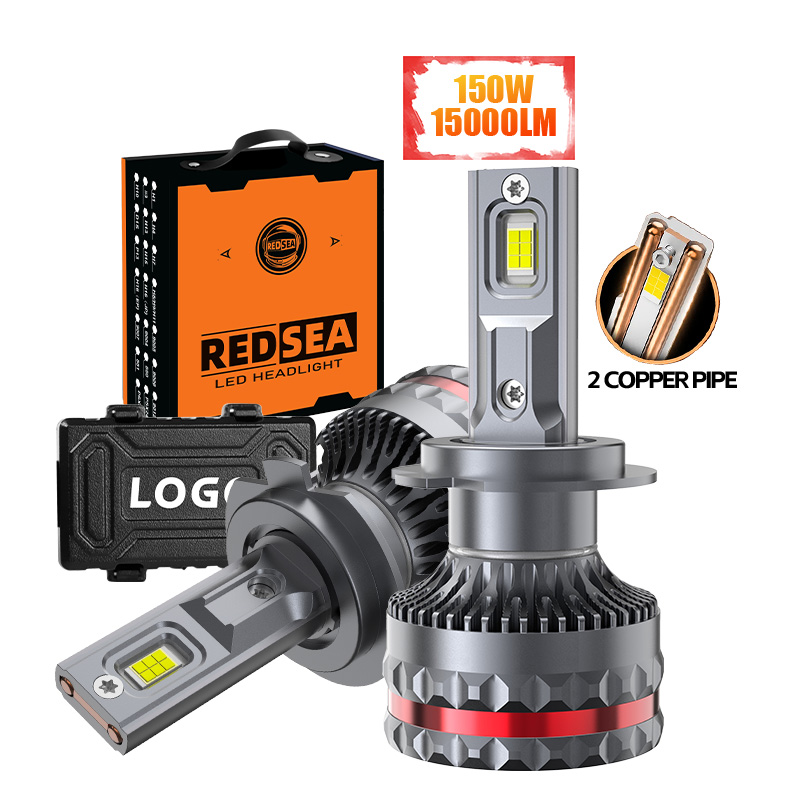
Modern drivers often upgrade to led light bulbs automotive solutions because they provide brighter illumination, lower energy consumption, and a longer service life compared with traditional halogen bulbs. However, many vehicle owners still wonder whether these lighting products are compatible with all vehicle electrical systems. The answer is not always simple. Different vehicles use different voltage management systems, CAN bus communication systems, and headlight housing designs. As a result, compatibility depends on several technical factors rather than just bulb size alone.
Understanding Vehicle Electrical System Compatibility
Most passenger vehicles operate on a 12V electrical system, while some trucks and commercial vehicles use 24V systems. Many led light bulbs automotive products are designed to support a wide voltage range, which helps them work with multiple vehicle platforms. Even so, compatibility issues may still occur because modern vehicles use sensitive onboard electronics to monitor lighting performance.
In practical installation cases, some drivers notice flickering, dashboard warning lights, or inconsistent brightness after replacing halogen bulbs with LED versions. This usually happens because LED bulbs consume less power than halogen bulbs, causing the vehicle’s monitoring system to incorrectly detect a bulb failure. Manufacturers that specialize in automotive LED lighting often address this issue by integrating CAN bus decoding technology or external decoders into the bulb system.
From industry experience, compatibility testing before large-scale installation is important. Vehicles from European brands, for example, are generally more sensitive to current changes than older Japanese or American models. Because of this, professional LED headlight suppliers usually recommend checking vehicle compatibility lists before purchase.
Why Heat Management Affects Electrical Stability
One overlooked factor in led light bulbs automotive compatibility is heat management. LED chips generate less forward heat than halogen bulbs, but the electronic components inside the bulb still create significant thermal load. Poor heat dissipation may cause unstable operation, reduced brightness, or shortened lifespan.
Many automotive LED bulbs use aluminum housings, cooling fans, or heat sinks to maintain stable operating temperatures. Proper thermal design helps protect the vehicle’s electrical system because overheating can lead to driver circuit instability. In real-world driving conditions, especially during long nighttime trips or high-temperature environments, stable cooling performance becomes critical.
Professional automotive lighting manufacturers often emphasize thermal reliability during product development because stable temperature control directly influences electrical consistency. A well-designed LED driver can reduce voltage fluctuations and help the bulb operate smoothly even when the vehicle experiences changing power loads from air conditioning systems, audio systems, or auxiliary electronics.
CAN Bus Systems and Intelligent Vehicle Electronics
As vehicle electronics become more advanced, compatibility challenges for led light bulbs automotive products have increased. Modern vehicles often include CAN bus systems that communicate between electronic control modules. These systems continuously monitor lighting circuits to ensure safety and proper operation.
When a low-power LED bulb replaces a higher-power halogen bulb, the vehicle may interpret the reduced current draw as a malfunction. This can trigger warning messages or rapid flashing behavior. To solve this issue, many LED automotive lighting manufacturers develop bulbs with built-in CAN bus compatibility modules.
According to automotive lighting industry guidance from organizations such as the Society of Automotive Engineers and standards referenced by the International Organization for Standardization, electrical stability and electromagnetic compatibility are important considerations in automotive lighting design. Reliable LED bulb systems should minimize interference with vehicle electronics while maintaining consistent illumination performance.
From installation experience, plug-and-play compatibility is more common in older vehicles with simpler electrical systems. Newer luxury vehicles may require additional adapters or professional installation support to achieve optimal compatibility.
Choosing the Right LED Bulbs for Different Vehicles
Selecting the correct led light bulbs automotive product involves more than matching the socket type. Vehicle owners should also evaluate beam pattern design, voltage compatibility, cooling structure, and decoder support. A bulb that physically fits the headlight housing may still produce poor beam focus or electronic interference if it is not properly matched to the vehicle system.
Automotive lighting professionals generally recommend checking the following factors before upgrading:
- • Original bulb model and socket type
- • Vehicle voltage requirements
- • CAN bus compatibility needs
- • Available installation space for cooling systems
- • Waterproof and dustproof protection level
- • Stability of the LED driver system
Practical testing shows that high-quality LED bulbs with stable driver circuitry are more likely to maintain long-term compatibility across different vehicle models. Drivers should also avoid extremely low-cost products with limited thermal protection or inconsistent electrical regulation because these products may affect lighting reliability over time.
For commercial fleets and wholesale buyers, compatibility verification is especially important before bulk purchasing. Testing sample units on representative vehicle models can help reduce installation issues and improve customer satisfaction.