
 EN
EN
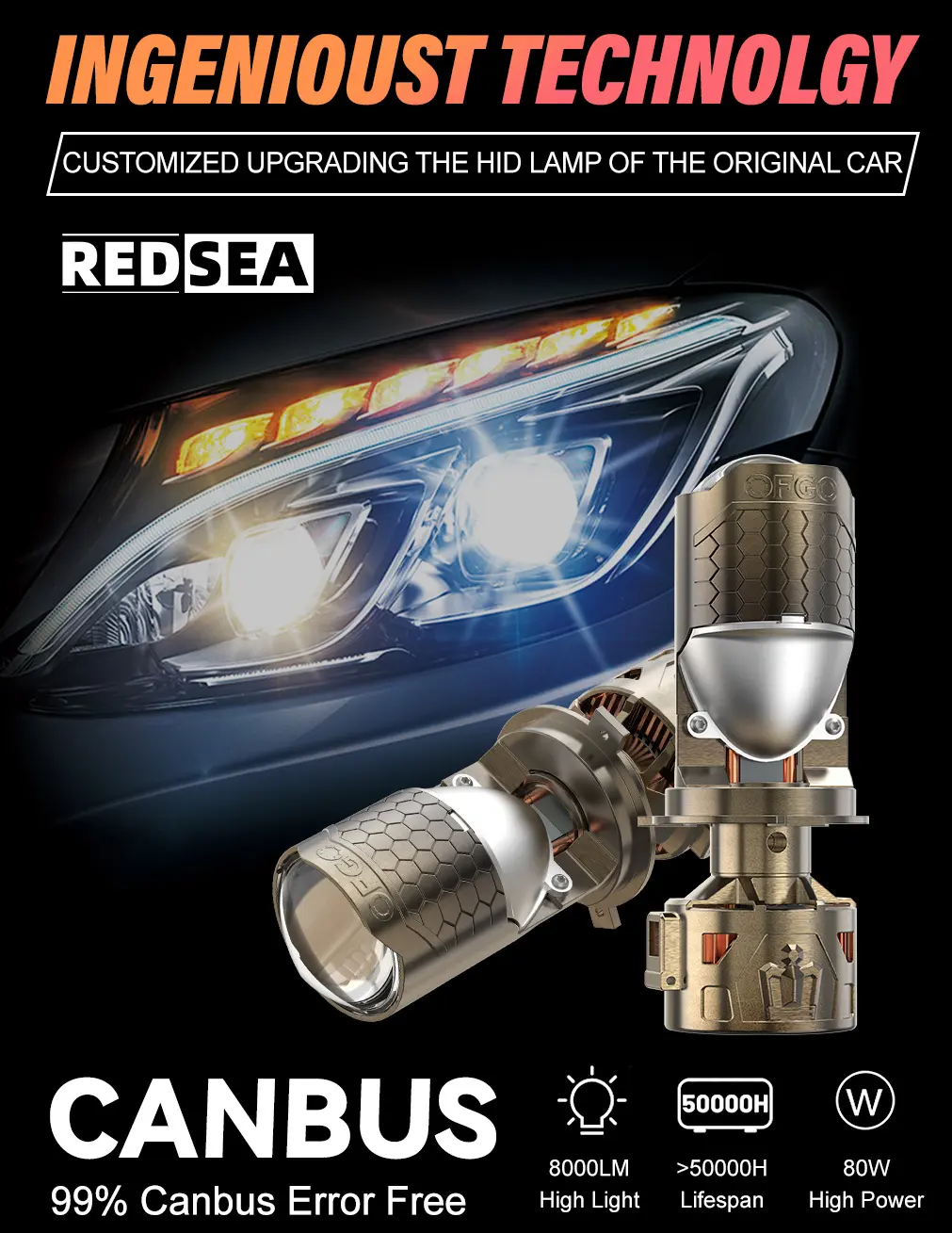
Pag-unawa sa Dynamics ng Init ng LED Lamp H4 vs Mga Bulb na Halogen
Kapag nag-uupgrade ng mga automotive lighting system, isang karaniwang tanong na itinataan ng mga may-ari ng sasakyan at mga fleet manager ay: Nagpapalabas ba ang isang LED lamp H4 ng mas kaunti na init kaysa sa tradisyonal na mga lampang H4? Upang masagot nang tama ang tanong na ito, kailangan nating i-break down ang mga pangunahing mekanismo kung paano ginagawa ng mga teknolohiyang pang-ilaw na ito ang pag-convert ng electrical energy sa praktikal na liwanag. Ang tradisyonal na mga automotive halogen bulb ay gumagana batay sa thermal principle, na gumagamit ng manipis na tungsten filament na kailangang i-heat sa pamamagitan ng resistance hanggang sa napakataas na temperatura—madalas na umaabot sa higit sa 2,500 degree Celsius—upang magningning at maglabas ng liwanag. Ang konbensyonal na prosesong ito ay napakahina sa kahusayan, dahil humigit-kumulang sa 95% ng kinukuhang electrical power ay na-convert nang direkta sa nawawalang thermal radiation, partikular na infrared heat, na ipinapadala pasulong sa pamamagitan ng headlight lens assembly. Sa malaking kontraste, ang isang upgraded na LED lamp H4 ay nagco-convert ng enerhiya nang mas mahusay sa pamamagitan ng solid-state electroluminescence, kung saan ang mga electron ay dumadaan sa isang semiconductor material upang palabasin ang enerhiya bilang light photons. Bilang direktang resulta, ang pasulong na beam ng isang advanced na LED lamp H4 ay naglalabas ng halos walang infrared heat, na panatiling cool sa pakiramdam ang pasulong na plastic housing at pinipigilan ang karaniwang fogging at yellowing na nauugnay sa thermal degradation.
Ang Agham sa Likod ng Lumens, Wattage, at Lokal na Thermal Energy
Upang lubos na maunawaan ang kaligtasan sa operasyon ng isang upgrade sa pagsisilbi ng ilaw ng sasakyan, mahalaga ang pag-aaral kung paano nakikipag-ugnayan ang mataas-na-intensidad na pagganap sa kapasidad ng sistema sa watt at sa pamamahagi ng init. Ang karaniwang pabrikang mga bombilya na halogen ay kumukuha karaniwan ng 55 hanggang 100 watts ng kuryente, na patuloy na nagpapalabas ng karamihan sa input na iyon bilang init sa paligid at init na nanggagaling sa radiation papasok sa yunit ng headlamp. Sa kabilang banda, ang isang mataas-na-pagganap na sistema tulad ng Red Sea R2 Car LED Headlight ay may matibay na teknikal na tatak na 400W bawat pares, na nagpapalabas ng napakaliwanag na 40,000 lumens ng 6000K na malamig na puting liwanag. Ayon sa mekanikal at elektrikal na pananaliksik sa automotive, bagaman ang isang LED na lampara na H4 ay nagbibigay ng malaki ang ginhawa sa kahusayan ng liwanag bawat watt, ang pisikal na batas ng pag-iingat ng enerhiya ay nangangailangan pa rin na ang lokal na punto ng pagsasama ng mga semiconductor chip ay bumubuo ng nakapokus na init. Hindi tulad ng mga halogen na inilalabas ang init nila paharap sa hangin, ang panloob na elektroniko ng isang mataas-na-kapangyarihang LED na lampara na H4 ay gumagawa ng lokal na init sa base ng yunit na kailangang ipasa palabas upang mapanatili ang matatag na output ng liwanag. Ipinapaliwanag ng katangiang ito sa operasyon kung bakit ang isang de-kalidad na bombilya ay hindi nagpapainit sa harap na lens, ngunit nangangailangan pa rin ng isang inhenyeriyang balangkas sa likuran upang ligtas na pamahalaan ang mataas-na-lumen nitong output.
Aktibo vs Pasibo na Pagkalat ng Init sa Modernong Automotive Lighting
Ang pamamahala sa panloob na thermal load sa likurang semiconductor junction ay kung saan naging lubhang mahalaga ang sopistikadong materials science para sa kaligtasan ng sasakyan. Halimbawa, ang Red Sea R2 configuration ay gumagamit ng isang advanced na active cooling system na mayroong espesyal na mataas na bilis na tahimik na cooling fan na pinagsama sa isang komprehensibong aluminum heat sink structure. Ang buong structural skeleton ng bulb ay ginagawa mula sa premium na aviation-grade aluminum body, na napili nang tiyak dahil sa kanyang superior na thermal conductivity properties. Kapag inilalagay ang automotive light, ang espesyal na heat sink design ay mabilis na kinukuha ang thermal energy mula sa sensitibong panloob na chipsets, samantalang ang integrated fan ay nagpapadaloy ng malamig na hangin upang aktibong ipalabas ang init papunta sa engine bay area. Ang tradisyonal na H4 halogen options ay umaasa lamang sa passive dissipation dahil ang kanilang bukas na glass bulbs ay simpleng tinatanggap ang matinding init hanggang sa mabigo sila, na kadalasan ay lumilikha ng kapaligiran na may panganib na tumunaw ang mga nakadikit na stock electrical connectors. Sa pamamagitan ng pagpapalit ng lumang mga bulb gamit ang isang engineered LED lamp H4, ang mga driver ay nakikinabang mula sa isang bahagi na aktibong kontrolado ang sariling thermal environment, na panatag na pinapanatili ang mababang, ligtas, at stable na operating temperature habang nagmamaneho sa gabi.
Pagtutol sa Kapaligiran at Kaugnay na Pagkamahabatin sa Ilalim ng Tunay na Stress
Ang kontrol sa temperatura ay direktang nagpapasya sa haba ng buhay at katiyakan ng anumang upgrade sa pangunahing ilaw ng sasakyan, lalo na kapag nagmamaneho sa pamamagitan ng matitinding pagbabago ng panahon sa bawat panahon. Ang tradisyonal na mga opsyon na halogen ay may napakabuwing buhay ng operasyon, na karaniwang nawawala pagkatapos lamang ng 500 hanggang 1,000 oras ng paggamit dahil ang sinulid na tungsten ay unti-unting nabibigat sa ilalim ng paulit-ulit na siklo ng paglal expansion at pagkontrakt ng temperatura. Sa kabaligtaran, ang mataas na kalidad na LED lamp H4 ay gumagamit ng mas malamig na operating diodes at aktibong structural cooling upang makamit ang napakadakilang buhay ng operasyon na hanggang 50,000 oras. Bukod dito, binibigyang-diin ng mga karaniwang gabay sa pagsusuri na ang environmental shielding ay mahalaga para sa elektronikong katatagan, kaya naman ang Red Sea R2 ay may disenyo na IP67 na waterproof at dustproof upang protektahan ang mga panloob na bahagi nito at mataas na bilis na bentilador mula sa panlabas na kahalumigmigan. Kung mananagpal sa malakas na ulan sa tropiko, makapal na alikabok sa daan, o malalim na mistulang panahon ng taglamig, ang ganap na nakasiradong istruktura ay nagsisiguro na ang iyong LED lamp H4 ay patuloy na tumatakbo sa maximum cooling capacity. Ang ganitong lakas ng istruktura ay binabawasan ang maagang pagbaba ng lumen, na nagsisigurong ang liwanag ay mananatiling perpektong malinaw, matatag, at malaya sa mapanganib na glare para sa mga nagmamaneho na paparating sa loob ng maraming taon ng serbisyo.
Kaugnayan sa Tunay na Buhay at mga Katotohanan sa Pag-install na Handa na Gamitin
Mula sa isang praktikal na pananaw sa pag-install, ang pag-unawa sa tiyak na thermal na pag-uugali ng mga modernong solid-state na upgrade ay nagbabago sa paraan kung paano tinatayo ng mga mekaniko at mga mahilig sa kotse ang kanilang pasadyang modifikasyon sa sasakyan. Dahil ang pangunahing beam ng isang LED lamp na H4 ay gumagawa ng napakaliit na init sa loob ng plastik na lens assembly, ito ay nagpapanatili sa mga reflective na silver coating na inilalagay sa pabrika sa loob ng headlight housing upang hindi ito magsariwa o mangaliskis sa paglipas ng panahon. Ang Red Sea R2 ay maingat na idinisenyo na may plug-and-play na H4 bulb sockets na may tradisyonal na 3-pin setup, na ginagawa itong lubos na compatible sa 12V hanggang 24V na electrical network na matatagpuan sa mga sikat na sasakyan tulad ng Allion, Premio, at Axio. Sa mga field application, paulit-ulit naming napapansin na ang thermal stability ng isang maayos na naka-ventilate na LED lamp na H4 ay malaki ang binabawasan ang stress sa factory wiring harness ng iyong sasakyan kumpara sa paggamit ng sobrang kapangyarihan na 100-watt na halogen bulbs. Sa pamamagitan ng paggamit ng aviation-grade na aluminum body kasama ang aktibong internal cooling fan, ang automotive upgrade na ito ay nag-aalok ng hindi maikakailang liwanag at premium na kaligtasan nang hindi nagdudulot ng mapanganib na thermal hazards sa electrical systems ng iyong kotse.
Talaan ng Nilalaman
- Pag-unawa sa Dynamics ng Init ng LED Lamp H4 vs Mga Bulb na Halogen
- Ang Agham sa Likod ng Lumens, Wattage, at Lokal na Thermal Energy
- Aktibo vs Pasibo na Pagkalat ng Init sa Modernong Automotive Lighting
- Pagtutol sa Kapaligiran at Kaugnay na Pagkamahabatin sa Ilalim ng Tunay na Stress
- Kaugnayan sa Tunay na Buhay at mga Katotohanan sa Pag-install na Handa na Gamitin