
 EN
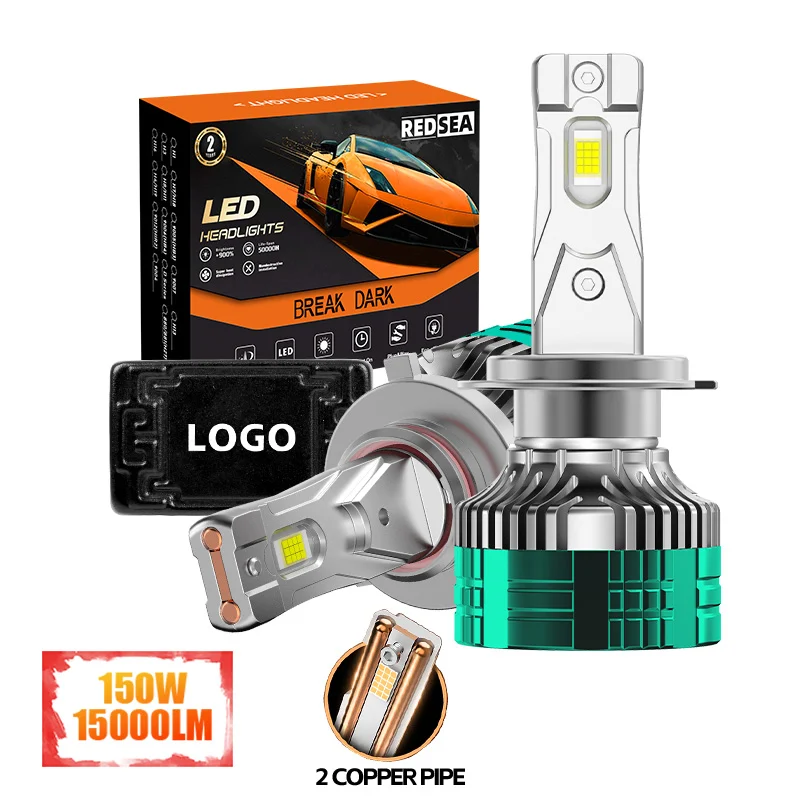
As the global automotive lighting market shifts definitively from traditional halogen systems toward advanced solid-state alternatives, sourcing or selecting the best LED bulbs for cars requires a sophisticated understanding of engineering metrics rather than relying solely on flashy marketing slogans such as "super bright." For automotive aftermarket distributors, wholesale buyers, fleet managers, and vehicle enthusiasts navigating the complex landscape of automotive lighting, a granular analysis of technical performance indicators is vital for long-term operational success, consumer safety, and sustainable market leadership. These critical indicators directly influence road safety, regulatory compliance, operational longevity, customer satisfaction, and overall commercial profitability. Drawing from extensive practical experience in automotive lighting design, thermal physics, and global supply chain partnerships, this comprehensive guide explores the essential metrics defining industry-leading LED headlight solutions and highlights how partnering with an established manufacturing leader like REDSEA can transform your automotive lighting business.
Navigating the Shift to Advanced Automotive LED Solutions
The first and most critical technical factor when evaluating the best LED bulbs for cars is optical precision, which goes far beyond raw lumen ratings. While many low-tier suppliers advertise astronomical lumen numbers, unmanaged or poorly focused light creates hazardous glare for oncoming drivers and fails to illuminate the road effectively. In professional optical engineering, a superior LED bulb must replicate the exact filament geometry and focal point of original equipment manufacturer halogen bulbs. Through rigorous laboratory testing and field deployment, industry experts consistently find that proper halogen size matching is paramount. These designs ensure that the LED chips align precisely with the optical focal axis of reflector or projector headlight assemblies, producing a sharp, well-defined cutoff line and optimal light distribution across the road surface. Achieving this level of precision prevents scattered glare, enhances night-driving safety, and ensures full compliance with international automotive lighting standards.
Optical Precision and Luminous Flux Distribution
Building upon optical foundations, the evolution of lighting technology demands a deeper look into luminous flux distribution. In professional optical engineering, a superior LED bulb must replicate the exact filament geometry and focal point of original equipment manufacturer halogen bulbs. Through rigorous laboratory testing and field deployment, industry experts consistently find that proper halogen size matching is paramount. These designs ensure that the LED chips align precisely with the optical focal axis of reflector or projector headlight assemblies, producing a sharp, well-defined cutoff line and optimal light distribution across the road surface. Achieving this level of precision prevents scattered glare, enhances night-driving safety, and ensures full compliance with international automotive lighting standards.
Advanced Thermal Management and Sustained Lumen Maintenance
Semiconductor performance and lifespan are inexorably tied to thermal management, making thermal dissipation efficiency a non-negotiable performance indicator. Unlike halogen bulbs that radiate heat forward through the lens, high-power LED diodes generate concentrated thermal energy at the circuit board level, which can cause rapid lumen degradation and catastrophic diode failure if managed incorrectly. Industry benchmarks and engineering best practices dictate the use of advanced heat dissipation mechanisms, such as aviation-grade aluminum housings, high-conductivity copper substrates, and high-speed silent cooling fans or advanced thermoelectric cooling modules. In practical engineering assessments, maintaining a stable operating temperature is the primary factor preventing thermal throttling and ensuring that the LED bulb retains its initial brightness level even after extensive nighttime operation under extreme weather conditions.
Electrical Compatibility, Decoding, and CANbus Integration
Modern vehicles are equipped with sophisticated On-Board Diagnostics and CANbus electrical architectures that continuously monitor current draws and circuit resistance. When aftermarket LED bulbs are installed, their significantly lower power consumption can trigger dashboard error codes, annoying flickering, or even radio frequency interference if the internal driver lacks intelligent decoding capabilities. Transparency and reliability in electrical design are essential for a seamless user experience and minimal return rates. High-performance LED bulbs incorporate built-in intelligent constant-current drivers designed with advanced CANbus error-free decoding technology. These drivers intelligently mimic factory electrical loads, ensuring plug-and-play installation without requiring bulky external decoders, risky wire-cutting, or expensive modifications, thereby guaranteeing compatibility across an extensive range of global vehicle models and brands.
Durability, Environmental Resistance, and IP Ratings
Beyond electrical and optical parameters, the physical durability of LED headlight bulbs under harsh environmental stressors serves as a vital metric for long-term reliability. Automotive lighting components are routinely subjected to severe vibrations, moisture ingress, dust storms, and extreme temperature fluctuations ranging from sub-zero winters to scorching summer deserts. Consequently, evaluating the Ingress Protection rating—such as waterproof and dustproof certifications—along with rigorous vibration resistance testing, is crucial. High-quality LED bulbs undergo extensive environmental stress testing to ensure hermetic seals, corrosion-resistant coatings, and robust structural integrity. For distributors and commercial fleets, choosing bulbs built to withstand these rigorous conditions translates directly into drastically lower warranty claim rates, enhanced brand reputation, and superior customer satisfaction.
Commercial Value, Quality Control, and Manufacturing Excellence with REDSEA
Ultimately, understanding technical performance indicators bridges the gap between engineering excellence and commercial profitability in today's competitive marketplace. Sourcing the best LED bulbs for cars requires more than just specifications on paper; it demands a reliable manufacturing partner capable of delivering consistent quality at scale. Situated in the epicenter of energy and innovation within the global automotive lighting sector, REDSEA leverages extensive research, development, and manufacturing expertise to deliver world-class lighting solutions. By maintaining a strict quality control regime that ensures exceptionally low defect rates, offering comprehensive OEM and ODM customization options for logos, packaging, and circuitry, and providing competitive factory-direct wholesale pricing, REDSEA empowers global distributors, brand agents, and commercial partners to dominate their respective local markets with reliable, high-performance automotive LED lighting products.
