
 EN
EN
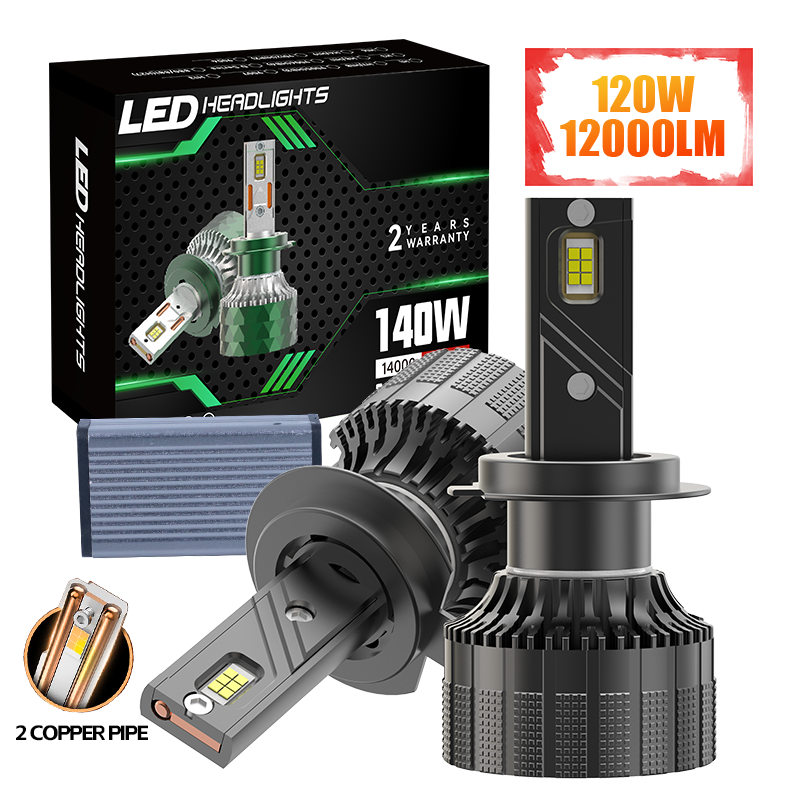
Selecting the right brightness for your vehicle's lighting system is more than just picking the highest number on the box. As experts in automotive illumination, we often see drivers struggling to balance visibility with road safety. The 9005 led lights (also known as HB3) are among the most popular choices for high-beam and fog light applications due to their versatility and high-intensity output. However, "brightness" in the LED world is measured by several metrics, including Raw Lumens, Effective Lumens, and Lux. Understanding these nuances is the first step toward a safer night-driving experience.
Understanding the Raw Lumen vs. Effective Lumen Distinction
When browsing for 9005 led lights, you will encounter various lumen ratings ranging from 6,000 to over 20,000 lumens per pair. It is crucial to distinguish between Raw Lumens—the theoretical maximum output of the LED chips—and Effective Lumens, which represents the actual light that reaches the road after passing through the lens and housing. In our testing lab at RedSea, we have found that many "high-wattage" bulbs lose up to 30% of their brightness due to heat throttling or poor optical design. High-quality 9005 LED options typically provide an effective output of 4,000 to 6,000 lumens per bulb, which is roughly 3 times brighter than a standard halogen bulb, providing a significant upgrade without overwhelming the electrical system.
Standard vs. High-Intensity Brightness Options for Daily Driving
For the average commuter, the most common brightness options fall into the 8,000 to 12,000 lumens (per pair) category. This range is often considered the "sweet spot" for 9005 LED applications. These lights provide a crisp, 6000K cool white light that mimics daylight, reducing eye strain during long nocturnal journeys. From our experience working with global distributors, users prefer this range because it offers a significant visibility boost—illuminating road signs and potential hazards much earlier—without creating excessive glare that might blind oncoming traffic. A well-engineered 9005 LED bulb in this category will feature a precision-aligned light filament to match the original halogen beam pattern.
The Role of Wattage and Heat Dissipation in Maintaining Brightness
Brightness is inextricably linked to power consumption and thermal management. A common misconception is that higher wattage always equals better light. In reality, an inefficient LED bulb will generate more heat than light, leading to "lumen drop" after just 15 minutes of operation. Our 9005 led lights utilize high-speed dual-ball bearing fans and aviation-grade aluminum heat sinks to ensure the brightness remains stable. When evaluating options, look for bulbs that maintain a consistent 30W to 50W per bulb. This ensures that the brightness you see when you first turn on your headlights is the same brightness you have two hours later.
Optical Precision and the Importance of the Beam Pattern
Brightness is useless if it isn't directed where it's needed. High-output 9005 led lights must feature an ultra-thin PCB board to mimic the filament of a halogen bulb. This "1:1 beam pattern" ensures that the 10,000+ lumens are focused on the road and not scattered into the trees or the eyes of other drivers. In our technical audits, we use goniophotometers to verify that the light "cutoff line" remains sharp. If a 9005 LED is too bright but lacks a proper focal point, it actually reduces the driver's ability to see distant objects because the foreground becomes "washed out" with excessive light.
Specialized High-Brightness Options for Off-Road and Rural Use
For drivers in rural areas or off-road enthusiasts, there are extreme brightness options reaching 15,000 to 20,000 lumens per pair. These 9005 led lights are designed for maximum reach, often capable of illuminating paths up to 300 meters ahead. However, these require advanced cooling systems and may have larger external drivers to manage the increased current. We recommend these high-lumen options specifically for high-beam use in areas with no street lighting. It is vital to check local transport regulations (such as DOT or ECE standards) when opting for these ultra-high-output models, as their intensity can exceed legal limits for city driving.
Color Temperature and Its Impact on Perceived Brightness
Finally, the "brightness" of 9005 led lights is heavily influenced by color temperature, measured in Kelvin (K). Most modern LED upgrades favor 6000K-6500K. While a 5000K bulb (warm white) might actually have the same lumen count as a 6500K bulb (cool white), the human eye perceives the cooler blue-white light as "brighter" and more modern. At RedSea, we focus on the 6000K spectrum because it provides the best contrast against asphalt and road markings. This choice ensures that every lumen produced by your 9005 LED bulbs is utilized effectively to enhance your safety and reaction time on the road.
Table of Contents
- Understanding the Raw Lumen vs. Effective Lumen Distinction
- Standard vs. High-Intensity Brightness Options for Daily Driving
- The Role of Wattage and Heat Dissipation in Maintaining Brightness
- Optical Precision and the Importance of the Beam Pattern
- Specialized High-Brightness Options for Off-Road and Rural Use
- Color Temperature and Its Impact on Perceived Brightness