
 EN
EN
Mastering the Art of Maintenance for Extended Automotive LED Longevity
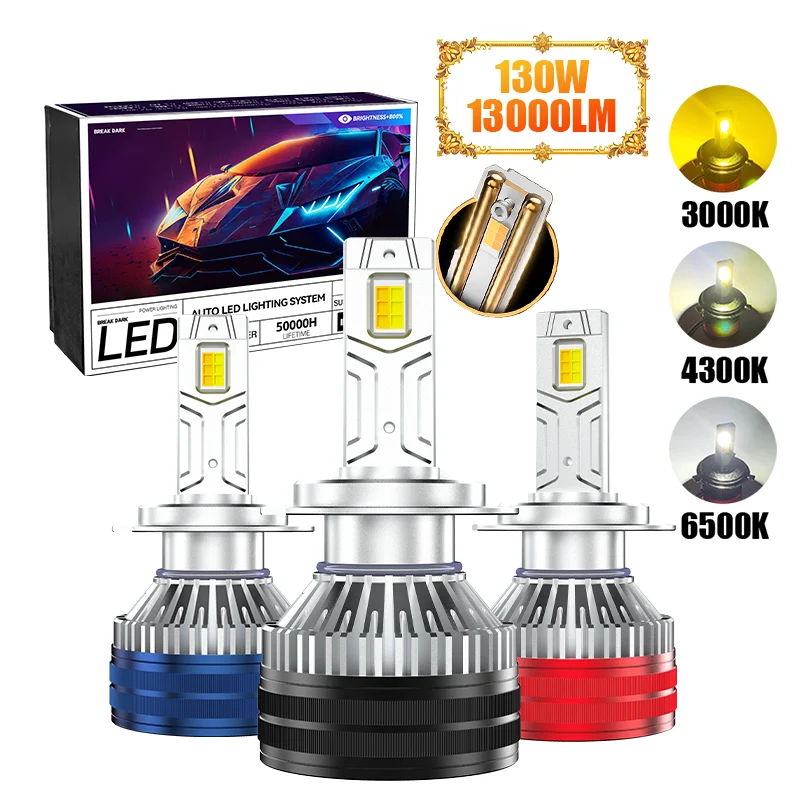
Automotive lighting technology has advanced dramatically, transitioning from traditional halogen filaments to highly efficient semiconductor diodes. For vehicle owners and fleet operators looking to maximize their investment, knowing how to properly care for an led auto lamp is essential. As a professional automotive lighting manufacturer established in 2010, Dongguan Red Sea Technology Development Co., Ltd. emphasizes that while solid-state lighting inherently offers tens of thousands of hours of operational stability, environmental factors, installation precision, and routine care directly dictate real-world performance. Implementing structured maintenance practices protects lighting hardware from premature failure and ensures maximum road safety.
Ensuring Proper Installation and Tight Mechanical Sealing
The longevity of any led auto lamp begins the moment it is installed inside the vehicle housing assembly. Improper handling, touching the optical surface with bare fingers, or failing to secure the dust cover can introduce moisture, dust, and oils that compromise thermal dissipation and electrical contacts. When installing replacement bulbs, technicians should always wear clean gloves, ensure the locking collar is securely fastened, and verify that rubber waterproof seals are correctly seated. A secure, airtight housing prevents condensation buildup inside the headlight assembly, protecting delicate internal circuitry and maintaining pristine optical clarity throughout seasonal temperature shifts.
Monitoring Thermal Dissipation and Maintaining Clean Heat Sinks
Unlike halogen bulbs that emit most of their energy as infrared heat through the glass envelope, LEDs manage heat internally via printed circuit boards and aluminum heat sinks. Over time, dust, road grime, and mud can accumulate around the cooling fins or block the airflow of built-in micro-fans, leading to elevated junction temperatures. Periodic inspection of the engine bay and headlight rear chambers ensures that cooling pathways remain unobstructed. Keeping the heat sink fins clean allows the led auto lamp to dissipate thermal energy effectively, preventing accelerated lumen depreciation and protecting internal driver components from overheating.
Electrical System Inspection and Voltage Regularity Checks
Electrical health is another pillar of long-term lighting reliability. Vehicle charging systems can occasionally suffer from alternator overcharging, voltage spikes, or loose battery terminals, which send damaging electrical surges through the wiring harness. Regularly inspecting battery voltage output, ensuring clean ground connections, and checking fuse box integrity safeguard the sensitive constant-current drivers embedded within modern lighting fixtures. By maintaining a clean and stable electrical environment, vehicle owners prevent micro-component degradation and ensure that each led auto lamp operates within its optimal electrical parameters.
Professional Manufacturing Quality and Summary Recommendations
Ultimately, while routine care and proper maintenance significantly extend lighting durability, the foundation of longevity lies in the inherent quality of the manufacturing process. At Red Sea Technology, our commitment to rigorous quality control results in a defect rate of less than 1%, backed by dependable 12 to 24-month warranties across our product lines. By combining premium manufacturing standards with diligent vehicle maintenance—such as checking seals, keeping cooling fans clean, and monitoring electrical health—drivers can enjoy brilliant, reliable illumination and peak visibility for years to come.
Table of Contents
- Mastering the Art of Maintenance for Extended Automotive LED Longevity
- Ensuring Proper Installation and Tight Mechanical Sealing
- Monitoring Thermal Dissipation and Maintaining Clean Heat Sinks
- Electrical System Inspection and Voltage Regularity Checks
- Professional Manufacturing Quality and Summary Recommendations
