
 EN
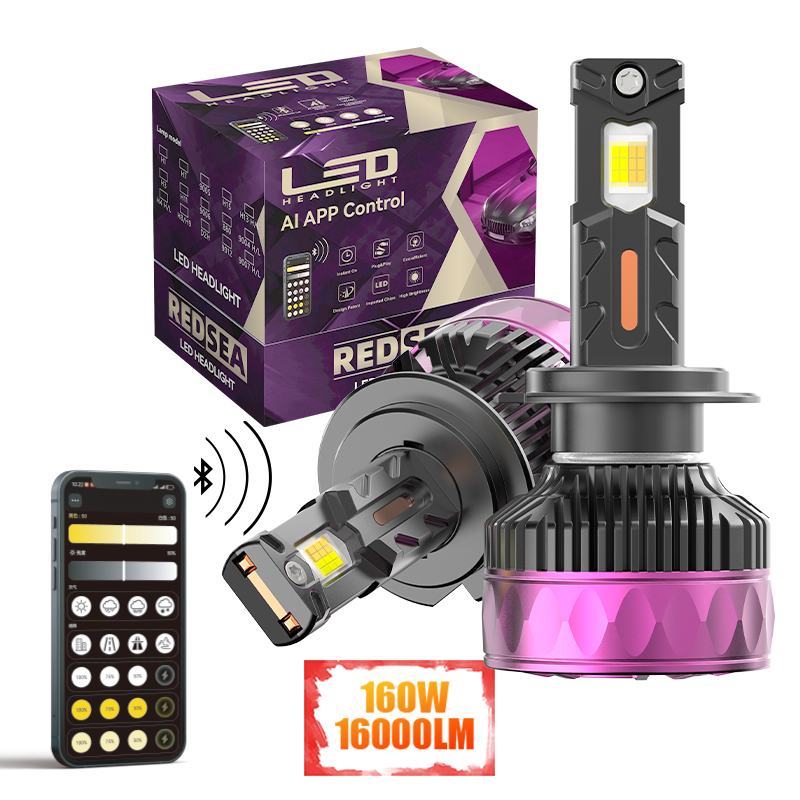
Thermal Realities under the Hood
Upgrading factory bulbs to advanced car led light headlights is one of the smartest moves drivers can make for night visibility, but it brings a hidden challenge that many consumers, mechanics, and fleet managers fail to anticipate in daily operations. Beneath the sleek exterior of modern engine bays lies a brutally hot micro-climate designed primarily around tight packaging, aerodynamics, and fuel efficiency rather than ventilation. With tightly packed turbocharged engines, complex emission control systems, and cramped bonnet spaces, ambient temperatures under the hood can soar to extreme levels during long highway drives, heavy cargo towing, or enduring grueling rush-hour traffic jams in scorching summer weather. When you mix this fierce external heat with the localized thermal energy thrown off by high-powered LED chips, headlight assemblies end up enduring a severe, continuous thermal beatdown. Designing lighting systems that can shrug off this kind of constant heat without failing is one of the toughest tests component makers face. Mechanics and industry experts frequently point out that thermal management is the ultimate dealbreaker when picking out lighting upgrades, because standard generic designs simply cannot cope with the intense pressures of a modern engine bay environment. Without proper airflow and smart heat dissipation planning, headlights will degrade rapidly, risking sudden failure when drivers need them the most on dark rural roads or busy highways. Furthermore, as automotive trends continue to shift toward higher integration and electrical efficiency, the demand for superior thermal engineering will only accelerate, making strategic manufacturing partnerships more vital than ever.
Understanding Junction Temperature and Environmental Stress
To figure out why some headlights melt down prematurely while others survive years of hard driving, it helps to look closely at what happens at the microscopic level inside a solid-state diode. Unlike old-school halogen bulbs that shoot their forward heat straight through the glass lens, light-emitting diodes push almost all their waste heat backward right out of the tiny semiconductor junction. If the surrounding engine bay is already acting like a baking oven, that generated heat has nowhere to go. Without a clear and unobstructed escape route, the internal junction temperature climbs way too high. This dangerous thermal buildup causes noticeable light dimming, irritating color shifts where a crisp white beam turns into a dull, inefficient blue hue, solder joint fatigue, and eventually burns out the sensitive electronic driver circuits long before their time, leaving drivers stranded with failing visibility on dark, unforgiving roads. Industry studies consistently show that managing this internal junction heat is the single most important factor in guaranteeing long-term bulb performance and lighting stability under demanding conditions.
Advanced Cooling: Copper Substrates, Heat Pipes, and Active Fans
Beating extreme engine heat takes a lot more than a basic aluminum heatsink slapped onto the back of a bulb. Top-tier car led light headlights rely on sophisticated, multi-layered cooling gear designed to handle the worst conditions imaginable. Think of high-conductivity copper plates pulling thermal energy away from the chips instantly, vacuum-sealed copper heat pipes that shuttle that heat away rapidly using clever liquid evaporation tricks, and quiet, high-speed active cooling fans built to handle road dust and engine moisture without quitting. When put through brutal thermal shock tests that mimic years of crawling through hot traffic and blazing sun, these smart cooling setups keep operating temperatures completely under control, ensuring the light beams stay bright, stable, and sharply focused hour after hour, regardless of external weather conditions, seasonal changes, or intense driving habits.
Commercial Value, Durability, and Total Cost of Ownership
For wholesale distributors, auto parts brands, and commercial fleet managers, dealing with heat isn't just a technical footnote—it is a make-or-break business factor. Cheaply made bulbs that overheat lead to angry customer complaints, endless warranty returns, and bruised brand reputations that take years to repair. On the flip side, sourcing premium car led light headlights built with serious thermal engineering protects profit margins and keeps return rates close to zero. Long-lasting, reliable headlights give distributors a massive competitive edge in markets ranging from freezing northern winters to scorching desert highways, delivering true value, low maintenance overhead, and total peace of mind to drivers everywhere who depend on clear vision during their daily travels. Smart commercial buyers know that investing in thermally resilient lighting pays off quickly through reduced customer service costs and higher brand loyalty across international markets.
REDSEA’s Manufacturing Excellence and Global Supply Chain Standards
Behind every reliable lighting product stands a dedicated, highly capable manufacturing setup. REDSEA brings advanced production lines, high-precision machining, and strict quality control protocols—including rigorous thermal simulation and heat-aging checks—to every batch of car led light headlights produced. By combining flexible custom manufacturing solutions with a dependable global supply chain, REDSEA helps international brands bring durable, heat-resistant automotive lighting to market smoothly and efficiently. Choosing to partner with REDSEA means teaming up with a trusted industry leader dedicated to outperforming the toughest conditions under the hood while boosting brand credibility worldwide.
