
 EN
Evaluating Thermal Management for Long-Lasting Performance
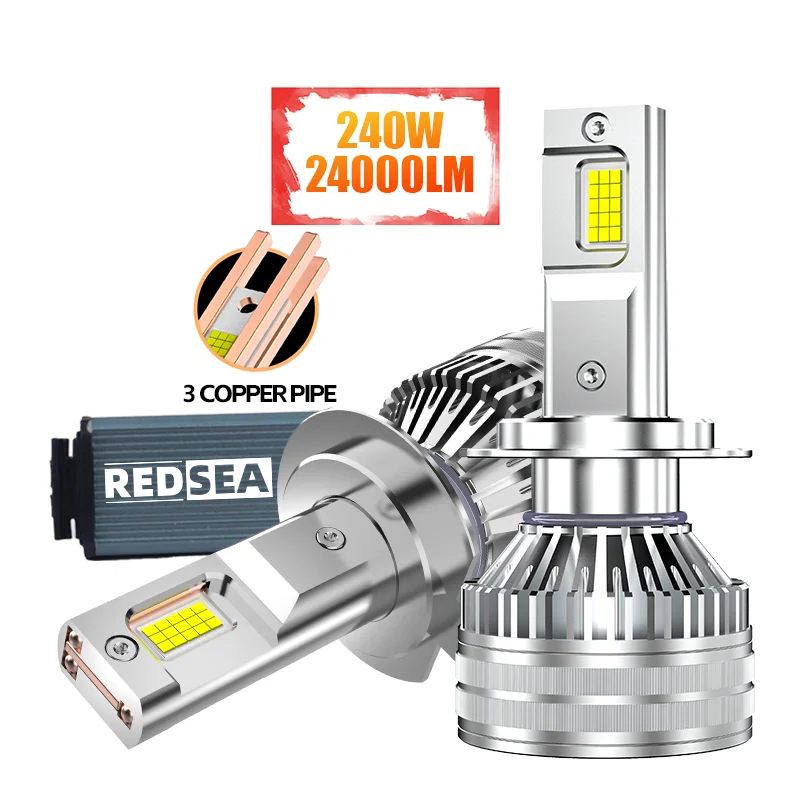
Sourcing automotive lighting components successfully always starts with looking closely at thermal architecture rather than just chasing high initial brightness numbers. Experience across international supply chain audits shows that inadequate heat dissipation is the primary and leading cause of premature LED degradation. When junction temperatures climb beyond safe limits recommended by global automotive engineering standards, diode efficiency drops rapidly and irreversible thermal damage occurs. Premium car headlights bulbs utilize advanced thermal management systems, such as aviation-grade aluminum housings paired with high-speed cooling fans or vacuum-sealed copper vapor chambers. These sophisticated engineering choices ensure that heat moves efficiently away from sensitive electronic junctions, maintaining stable light output across thousands of hours of demanding night driving. Without robust cooling mechanisms, bulbs suffer from severe thermal throttling or sudden failure shortly after installation, leading to high return rates for distributors and frustrated end-users. Inspecting fin density, material purity, and internal heat pipes provides a reliable baseline for judging overall manufacturing quality before committing to bulk inventory purchases. Additionally, evaluating phase-change material integration helps determine how effectively a design handles peak thermal loads during extended operation under heavy duty cycles, ensuring consistent performance across diverse seasonal climates and challenging operational environments worldwide.
Decoding Beam Pattern Precision and Optical Alignment
Raw brightness means very little if the light scatters blindly across the road instead of focusing precisely where drivers actually need it. True expertise in optical design involves crafting light sources that replicate the exact filament positioning and focal geometry of traditional halogen bulbs. If an LED chip is misaligned by even a fraction of a millimeter, the resulting beam pattern fails standard regulatory checks like ECE R112 or DOT requirements, creating dangerous glare for oncoming traffic. High-quality car headlights bulbs incorporate ultra-thin circuit boards and precision optical cups designed to project a sharp, clean cutoff line. Advanced computer-aided optical simulations during production ensure proper light distribution across both low and high beam settings. Sourcing products with strict focal accuracy prevents blind spots and enhances road safety under adverse weather conditions, protecting a brand's reputation for reliability and performance in competitive global markets. Furthermore, examining the optical lens clarity ensures that light transmission rates remain uncompromised over years of continuous exposure to harsh UV radiation, persistent road salt, and environmental debris.
Ensuring Electrical Stability and Seamless CANbus Compatibility
Modern vehicles rely heavily on complex onboard computer networks, meaning aftermarket lighting upgrades must integrate smoothly without triggering dashboard error codes or annoying flickering. Professional buyers look closely at the driver architecture housed within the bulb assembly. Reputable manufacturers integrate smart constant-current IC drivers equipped with robust electromagnetic compatibility circuits to prevent radio static and voltage spike damage. These intelligent components protect the car's sensitive electronic ecosystem while ensuring seamless compatibility across various European, American, and Asian vehicle models. Furthermore, built-in thermal protection safeguards the circuitry against extreme ambient temperature fluctuations. Skipping proper electronic decoding and anti-interference testing inevitably leads to customer complaints, dashboard warning indicators, and costly product recalls for retail sellers and wholesale distributors alike. Thorough checks on harmonic distortion, transient voltage response, and current stability parameters during sample testing prevent unexpected compatibility failures in the field.
Verifying Durability Standards and Environmental Resilience
Global automotive environments expose exterior components to moisture, dust, severe vibrations, and extreme temperature shifts daily. Evaluating product trustworthiness requires demanding concrete proof of ruggedness, such as official IP67 or IP68 waterproof and dust-proof ratings. Rigorous quality assurance protocols subject car headlights bulbs to thermal shock chambers, severe vibration testing, and extensive salt spray exposure to test housing corrosion resistance. Components built to withstand harsh marine or coastal climates ensure long-term durability without oxidation or structural failure. Additionally, vibration resistance testing guarantees that internal solder joints and wire bonds remain secure despite constant jarring from rough roads and potholes. Partnering with factories that maintain strict ISO and IATF quality management certifications ensures that every production batch meets international standards for field reliability. Documented testing certificates provide buyers with the verifiable transparency needed for successful retail distribution.
Unlocking Commercial Value Through Strategic Manufacturing Partnerships
Navigating the competitive automotive aftermarket requires more than just decent product specifications; it demands a dependable manufacturing partner with robust global supply chain capabilities. Successful brand building relies on consistent product quality, flexible customization options, and reliable fulfillment logistics. REDSEA stands out as an established industry leader, offering advanced SMT production lines, automated optical inspection equipment, rigorous aging tests, and comprehensive quality checks for every manufactured batch. Whether scaling up custom OEM and ODM branding or securing reliable bulk shipments for international distribution, REDSEA delivers comprehensive supply chain solutions tailored to modern market demands. By combining deep engineering expertise with transparent manufacturing excellence, REDSEA empowers global partners to build trusted, long-lasting automotive lighting brands that capture sustainable market share in the global industry.
Table of Contents
- Evaluating Thermal Management for Long-Lasting Performance
- Decoding Beam Pattern Precision and Optical Alignment
- Ensuring Electrical Stability and Seamless CANbus Compatibility
- Verifying Durability Standards and Environmental Resilience
- Unlocking Commercial Value Through Strategic Manufacturing Partnerships
